
What Are The Best Borders For Your Custom Patches?
Custom patches are small. But the details? They do the heavy lifting.
And nothing frames those details quite like the border.
Think about the last patch that caught your eye. Was it colours? The shape? Or the clean edge that made it feel finished and premium?
Borders are the quiet heroes of patch design. They protect that artwork, define the shape, and decide whether your patch looks polished or messy.
So, do you want your patch to blend in or stand out the moment someone sees it?
Because the right border doesn’t just finish a patch.
It defines it.
The edge that makes your patch stand out
A patch without a border is like a picture without a frame. It may still catch attention, but it rarely feels finished.
The border gives your patch structure and balance. It defines where the design begins and ends, making every colour, stitch, and detail look more intentional.
Beyond looks, borders serve a practical purpose. They protect the edges from wearing out, curling, and everyday wear.
This is especially important for patches used on uniforms, bags, jackets, or workwear that are frequently used. A strong, well-chosen border can significantly extend the life of your patch.
Most importantly, the border sets the mood. A thick, bold edge conveys a sense of power and authority. A clean, subtle border feels modern and refined.
Whether your patch represents a brand, a team, or a creative statement, the right border quietly shapes how people perceive it.
Merrowed borders
The classic, bold favourite
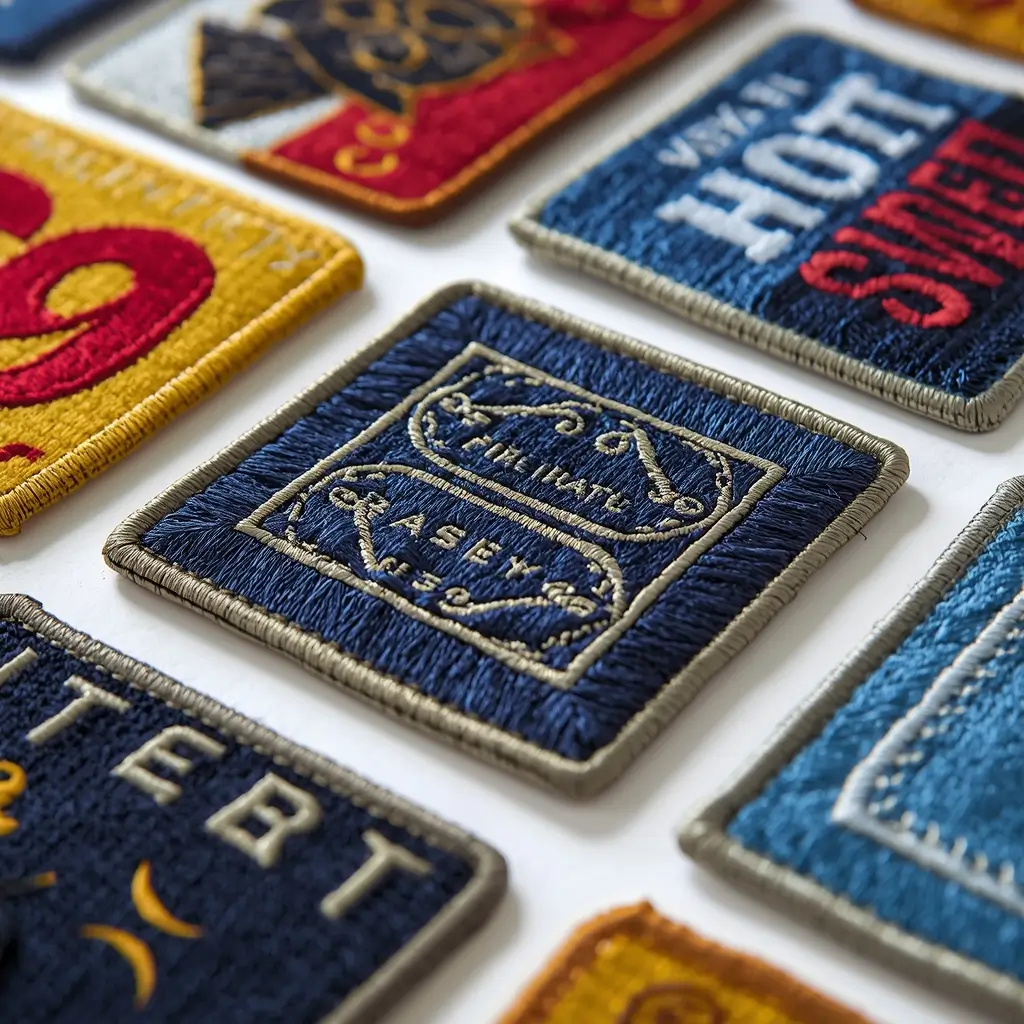
Merrowed borders are the most traditional and widely used option for woven patches. You will recognise them instantly.
They have a thick, stitched edge that wraps neatly around the patch, creating a strong outline. This style works best for simple shapes, like circles, squares, and rectangles.
Why are they so popular?
Durability is the answer. Merrowed borders lock the threads in place and significantly reduce wearout.
In fact, industry data suggests that patches with merrowed borders last 20-30% longer than frequently washed garments compared to patches without reinforced edges.
They are ideal for uniforms, scout patches, club representations, and workwear.
That said, they are not perfect for every design. If your patch has sharp angles, intricate curves, or fine details near the edge, a merrowed border may slightly cover the artwork.
Heat cut borders
Clean, modern, and detailed
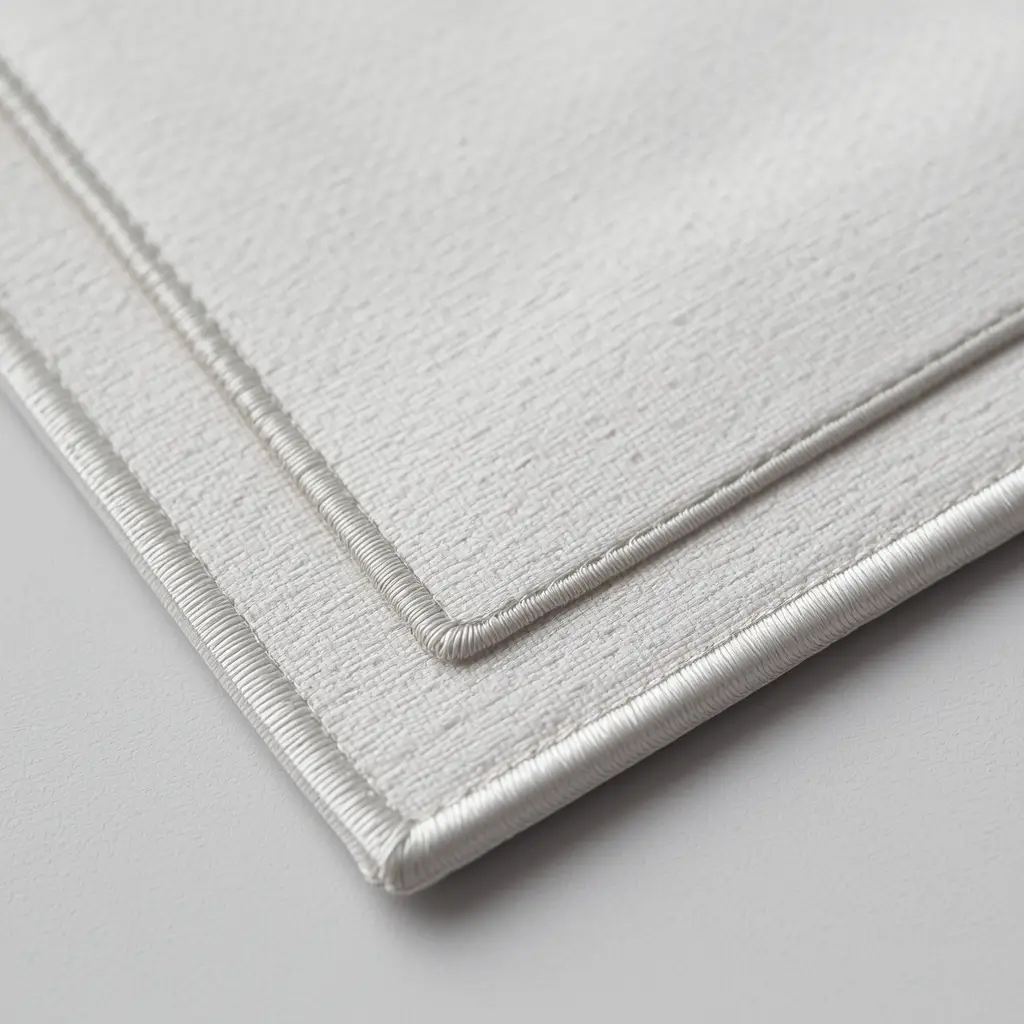
If your design is complex, heat-cut borders are often the better choice. Instead of a thick stitched edge, the patch is precisely cut using heat, sealing the threads and allowing the border to follow even the most intricate shapes.
This style is especially popular in fashion, streetwear, and promotional branding. Heat-cut borders allow more room for detail and give patches a sleek, contemporary look.
Brands focused on aesthetics often prefer this option because it feels lighter and more refined.
According to patch manufacturers, over 45% of fashion-focused orders now use heat cut border, largely because of their flexibility and cleaner finish.
The trade-off?
They are slightly less rugged than merrowed borders, making them better suited for casual wear rather than heavy-duty use.
Laser cut borders
Precision at its finest
Laser-cut borders take detail to the next level. Using laser technology, these borders offer ultra-precise edges that are perfect for complex logos, sharp corners, and unconventional shapes.
This option is often chosen for PVC patches, leather patches, or premium embroidered designs where precision matters more than thickness. Laser-cut borders create a polished, high-end look that feels intentional and modern.
They are increasingly popular for corporate branding, custom police patches, and limited-edition designs.
Reports indicate that laser-cut patches are growing in demand by nearly 18% year-over-year, especially in premium merchandise and event branding.
Raw edges
Minimal, creative, and bold
Raw-edge borders are exactly what they sound like. No stitched outline. No heavy framing. Just the designs, cut cleanly at the edge.
This style feels artistic and unconventional, making it a favourite for creative projects, indie brands, and statement pieces.
While raw edges may not be as durable for everyday wear, they create a strong visual impact. They work best for patches meant to be decorative rather than functional, such as fashion drops or limited promotional items.
Think of raw-edge borders as a design choice rather than a protective one. They are about expression, not longevity.
Comparing the best options at a glance
| Border Type | Best For | Durability | Design Flexibility | Overall Look |
| Merrowed | Uniforms, clubs, workwear | High | Low | Bold, traditional |
| Heat Cut | Fashion, branding, promotions | Medium | High | Clean, modern |
| Laser Cut | Premium & complex designs | Medium | Very High | Precise, high-end |
| Raw Edge | Creative & decorative patches | Low | High | Minimal, artistic |
How to choose the best border for your patch
The best border depends on how and where your patch will be used. Ask yourself a few simple questions.
Will it face daily wear? Does the design have intricate details near the edge? Are you aiming for durability, aesthetics, or both?
If your patch is meant to last through heavy use, go with a merrowed border. If the design is detailed and modern, a heat cut or laser cut will serve you better.
And if your goal is to make a bold, creative statement, a raw edge might be exactly what you need.
Because in the end, borders are not just an outline.
They are the finishing touch that turns a good patch into a great one.
Patch shape and border compatibility
Not every border works well with every shape, and this is where many designs fall short.
Circular and rectangular patches pair beautifully with merrowed borders because the stitching flows smoothly around the edges. But when you introduce sharp corners, waves, or custom silhouettes, things change.
Heat-cut and laser-cut borders shine here. They follow complex outlines with precision, ensuring the border enhances the design instead of fighting it.
If your patch has a unique shape meant to grab attention, choosing the wrong border can dull its impact.
A simple rule?
The more complex the shape, the more flexible your border should be.
Border thickness
Thin vs. bold edges
Thickness matters more than most people realise. A thick border creates a strong visual boundary. It feels bold, authoritative, and highly visible from a distance.
This is why thick merrowed borders are common on military, security, and organisational patches.
Thin borders, on the other hand, feel subtle and modern. They allow more space for the artwork and are ideal for minimalist designs or fashion-focused patches.
Surveys in apparel branding suggest that minimalist designs with thinner borders are perceived as 25% more premium by consumers, especially in lifestyle and streetwear markets.
Your choice comes down to personality. Loud and proud, or clean and refined?
How border choice affects cost and production time
Borders do not just influence design. They also impact your budget and turnaround time. Merrowed borders are typically the most cost-effective because they are fast to produce and require less precision cutting.
Heat-cut and laser-cut borders often cost slightly more due to additional processing and technology. However, they reduce design limitations and allow greater creative freedom.
For brands launching limited collections or promotional campaigns, that extra cost is often worth the visual upgrade.
In short, if speed and budget are priorities, go classic.
If flexibility and aesthetic matter more, invest in precision.
Border durability vs patch placement
Where your patch will live matters. A patch on a backpack, jacket sleeve, or work uniform experiences constant friction. In these cases, reinforced borders like merrowed edges perform best and maintain their shape over time.
Embroidered patch placed on caps, tote bags, or fashion apparel experience less stress, allowing more freedom in border choice.
This is why fashion brands often lean toward heat cut or raw edge borders without worrying about premature wear.
Industry data shows that patches placed on high-friction areas last up to 40% longer when reinforced borders are used. Placement and border should always be considered together.
Common border mistakes to avoid
Even the best designs can fail because of border missteps. One common mistake is choosing a border color that clashes with the design or fabric.
Another is using a thick border on a highly detailed patch, which can crowd the artwork.
Ignoring the end use is another big one. A decorative border may look great on a mockup, but it wears down quickly in real life. Always test your border choice against how the patch will actually be used.
Great borders do not shout.
They support, protect, and elevate the design quietly.
Conclusion
The border is the final statement
Choosing the best border for your custom patch is not just a technical decision. It is a design choice that shapes how your patch is seen, felt, and remembered.
From bold merrowed edges built for durability to clean heat-cut lines made for modern designs, every border sends a message before a single stitch is noticed.
The key is alignment. Match the border to your purpose, your design complexity, and how the patch will be used. When the border works in harmony with the artwork, the entire patch feels intentional and professional.
In the end, a great patch does not just rely on what is inside the design.
It is defined by how confidently it is framed.

Kendall Smith loves turning creative ideas into real, custom patches. At Bespoke Patches UK, she shares practical tips and easy-to-follow guides to help anyone design their own embroidery or badges whether it’s for a club, a jacket, or a business. She enjoys exploring different fabrics, stitches, and designs, and is always excited to see the unique ways people use patches to express themselves. When she’s not writing, Kendall can often be found sketching new designs or helping a customer bring a tricky idea to life. Check out her guides and start creating your own patches.