
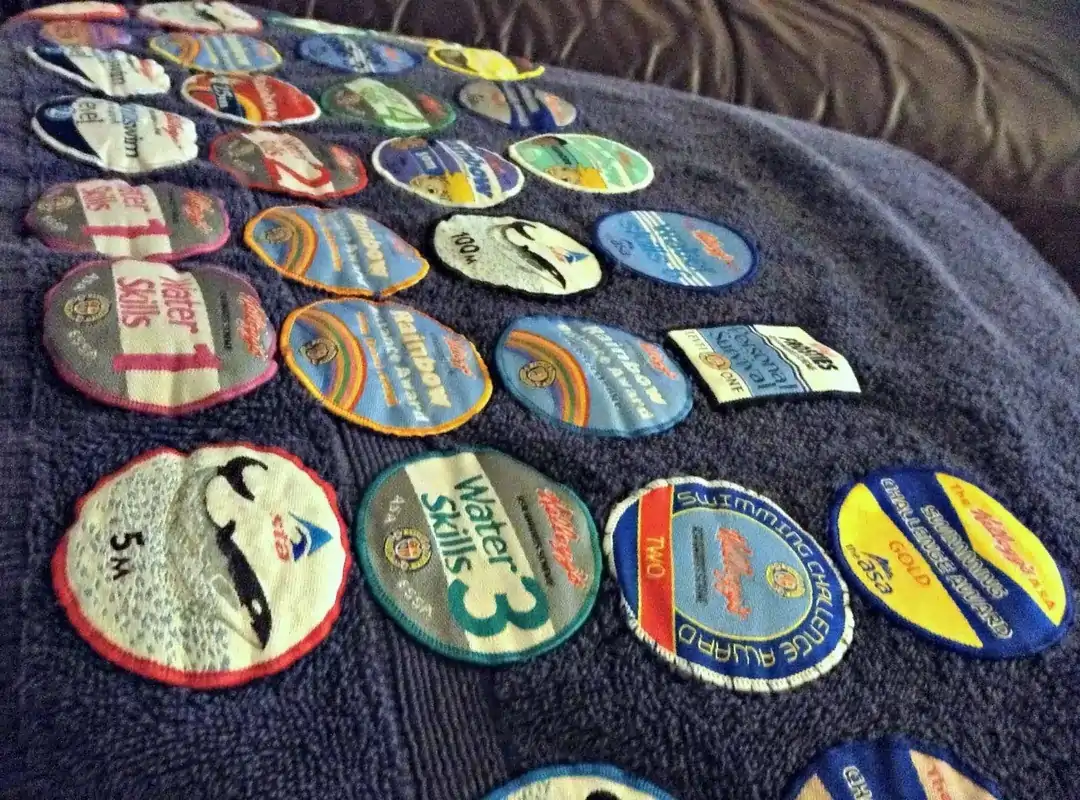
Can I make my own embroidery patches?
Here is a question for you.
Have you ever seen a patch on a jacket or a bag and thought, I want to design something like this? Not for sale, just for yourself. Or for a team, a club, or a small idea you have in your head.
Most people stop right there. They think it’s too technical or too expensive. Or they think you need some big factory setup to do it. This isn’t true at all. Many people start with some basic things. A small design, a simple machine, and sometimes even borrowed tools. The first few patches don’t come out perfect, and that’s normal. Thread breaks, lines go crooked, and you learn by doing.
The internet makes this feel harder than it is. One video says you need a special machine, another says you don’t. One person says it’s easy, another says it’s impossible. It gets confusing fast.
So let’s slow it down.
In this blog, we’re just going to talk. We will explain how these small badges are made, which tools are used to make them, and what steps you can follow at home to make them. In the end, you will understand whether you want to make your own embroidery patches.
How People Actually Make Their Own Embroidery Patches
So, here we have a conversation straight from the craft room.
| Jamie: I want to design my own patch, but I have no idea where to begin. Taylor: Relax, take a small start. Pick a simple design first. You don’t need fancy tools. Jamie: Really? I thought it needed a big machine. Taylor: Not at all. You can do a lot at home. Or if you want, you can get help from a place that does custom embroidery patches UK. |
Making a patch involves a few steps and nothing scary.
| Step | What You Do | Quick Tip |
| Design | Draw or pick your logo, name, or symbol | Keep it simple at first |
| Stitch | Sew it on fabric by hand or machine | Limit colors to start |
| Cut & Finish | Trim around the edges so it doesn’t fray | Use sharp scissors or pinking shears |
| Optional | Add backing for iron-on or sew-on | Makes it easy to attach later |
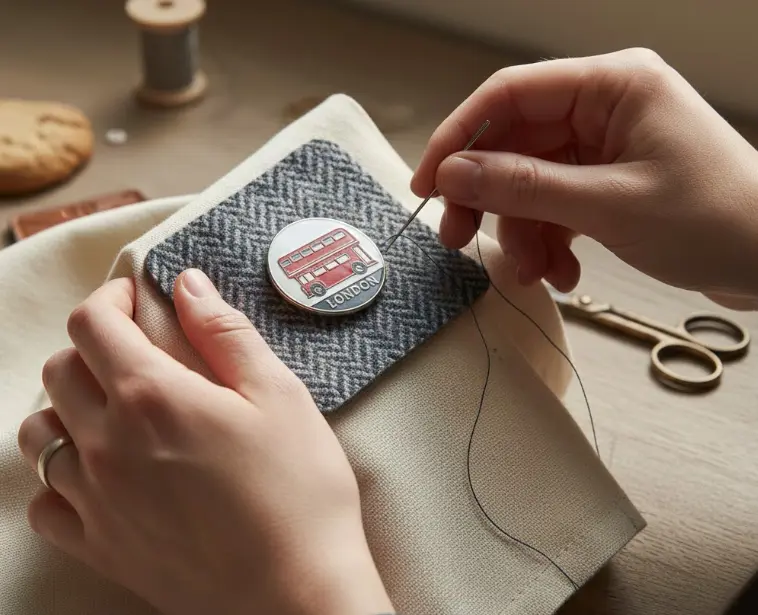
Tip: Start small, practice, and don’t worry if the first attempt doesn’t turn out perfect. Every patch gets better with a bit of patience.
What Machine Do You Need to Make Embroidered Patches?
| Alex: So, do I need to buy some special machines to design my patches? Jamie: Not really. You can start with a basic embroidery machine, but even a regular sewing machine can work with some tricks. Alex: Wait… I needed some big, fancy setup. Jamie: Many people do, but honestly, for small patches, you don’t. It’s about starting simple. |
Here’s a quick look at what most people actually use:
| Machine Type | What It Can Do | Best For |
| Home Embroidery Machine | Automatic stitching, built-in designs | Small batches, hobbyists |
| Industrial Embroidery Machine | High-speed, large projects | Selling patches, larger quantities |
| Regular Sewing Machine | Can stitch simple designs with hand guidance | Practice or very simple patches |
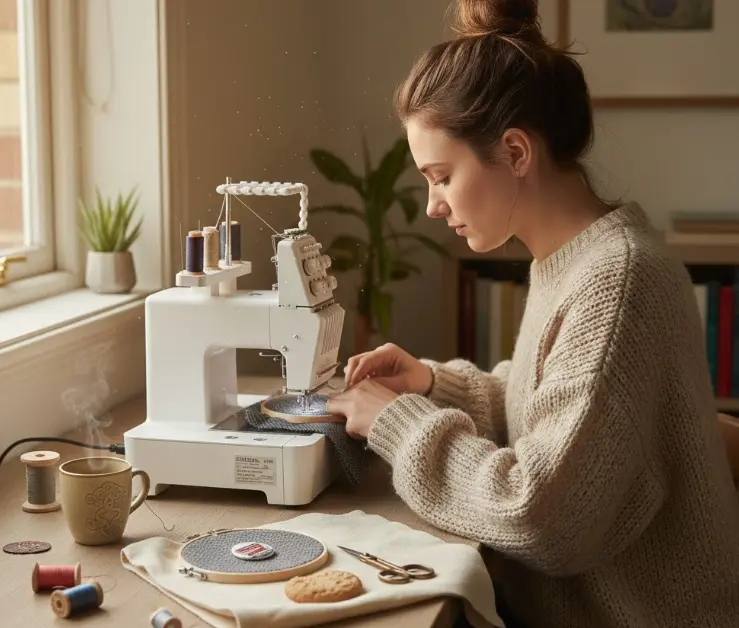
Some people combine both as they get started at home, then get professional help when they want a larger quantity or a perfect finish. Others go straight to customized sew-on patches services if they want to have that expert, polished look in no time.
Tip: You don’t need a big, fancy machine to start. A simple setup and patience are what you need to create your first patch.
Can I Design My Own Custom Patch?
“Can I make my own patch?” someone might ask. And the answer is yes! You don’t need to be an artist.
Take a small start by grabbing your pencil and doodling your idea. It will get messy at the beginning. Don’t worry, erase it and try again.
Here are some simple tips for doing it:
- Keep it simple because your tiny details may get lost.
- Use only 2 or 3 colors, because too many threads get messy.
- Don’t make it too small. Bigger patches are easier to stitch.
- Fancy software is not needed. A rough drawing works fine.
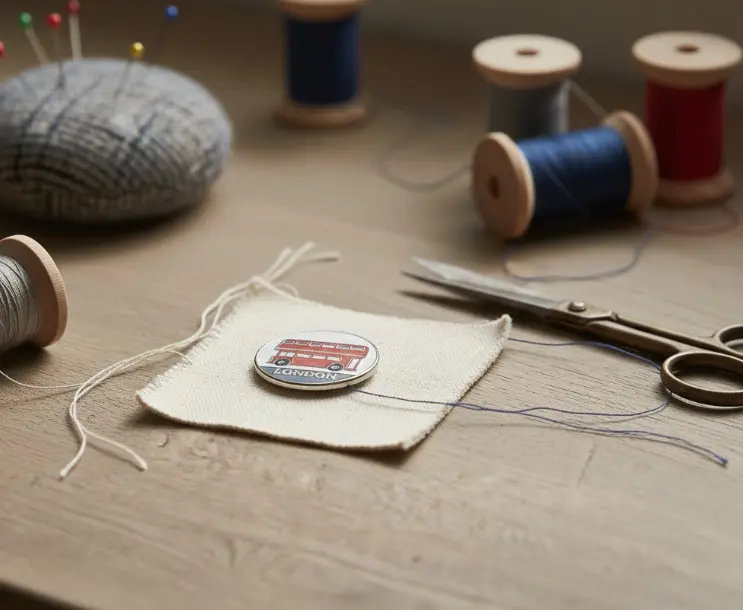
You can even stitch a test patch on scrap fabric first. See how it looks and fix anything you don’t like. And if you want it perfect, you can send your design to a sew-on patches service. The main thing is to have fun and try. Your patch doesn’t need to be perfect to look great.
Can You Turn a Regular Sewing Machine into an Embroidery Machine?
Yes! You can, but only for simple designs. Here’s how people usually do it:
- Draw first
Sketch your patch on the fabric. Then carefully sew over it.
- Use a stabilizer
A thin sheet under the fabric stops it from bunching.
- Go slow
Take your time around corners and curves.
- Practice
Try on scrap fabric first. Mistakes are normal.
- Finish nicely
Trim edges or add a backing so the patch lasts.
It won’t do fancy automatic designs, but it works fine for small patches at home. Some people stick with this method, and some use a customized sew-on patches service for a cleaner look.
Tip: Start small, practice, and have fun. You don’t need a big machine to make something cool.
What is the Best Material to Make Embroidery Patches?
When making your own badges, the fabric you pick plays an important role. Some fabrics are simple to stitch, while some can be tricky. Choosing the right one makes your patch look better and last longer.
Here’s a quick guide:
| Material | Why It Works | Tip |
| Twill | Strong and smooth | Great for beginners |
| Felt | Thick and soft | Easy to cut and handle |
| Canvas | Sturdy | Works well for larger patches |
| Denim | Durable | Adds a rugged look |
| Cotton | Lightweight | Best for small, simple patches |
Some people mix fabrics too. For example, a twill base with felt details can make a patch both strong and colorful.
Remember: the easiest materials to start with are twill and felt. They don’t bunch or fray as easily, so your first patches will turn out nicer.
Tip: always use a stabilizer underneath, no matter the fabric. It keeps everything neat and makes stitching easier.
Extra Tips and Stories for Making Your Patches
So, Lily’s at her desk with some fabric and thread. She’s excited and thinking, “This is going to be amazing.” She makes a few stitches for her Swimming Patches, and the thread breaks. She sighs, shaking her head, and giggles. “Well, okay… round two,” she says. She lowered her pace, took her time, and this time she designed something that is not perfect, but it belongs to her.
Then there’s Tom. He’s making a patch for his swimming club and thinks, “This will take like ten minutes.” It’s been half an hour, the edges are messy, the letters look crooked, and he’s a little frustrated. He slowly tries again, and this time the patch seems neat, and he is smiling happily.
Little stories like these are familiar. Making patches is fun, but mistakes happen. And honestly? That’s half the fun.
Here are some tips from the people who have experienced the same:
- Begin small: Tiny patches lead to tiny mistakes. They are less scary and more fun.
- Go slow: Rushing just makes things messy. On the other hand, patience wins.
- Keep designs simple: Too many little details get lost in stitching.
- Pick a strong thread: Cheap thread breaks mid-way, and nobody likes that.
- Try scrap fabric first: That way, your main patch stays safe.
The truth badges aren’t about perfection. Every patch has a little story. And that story? That’s what makes it special.
How to Make Your Patches Fun and Special
Mia is on her bed, fabric and thread all around. She thinks, “I’ll just make some letters.” Then she laughs at herself, “Why not add a tiny sun or a little wave?” She stitches, some parts crooked, some parts neat. When her friends see the patches, they light up and say, This is so cute. Patches aren’t meant to be perfect, but they need personality.
Little touches can make a patch memorable. Even small changes or simple designs make a huge difference. Here’s a friendly guide to making your patches fun and memorable:
| Tip | How It Helps | Example |
| Mix fabrics | Adds texture and depth | Felt + twill |
| Simple shapes | Easier to stitch and looks clean | Circle, triangle, square |
| Tiny personal icons | Makes it meaningful | Heart, star, initials |
| Fun or cute designs | People notice and smile | Sun, wave, funny face |
| Easy backing | Makes attaching simple | Iron-on or sew-on |
Even a tiny badge can tell a story. Maybe it’s only about a club, a hobby, or just something that makes you happy. Additionally, when it is on a jacket or backpack, people pay attention to it and ask about it.
Wrapping It Up
Designing your own badges is all fun. It doesn’t have to be perfect at all. Every little stitch tells a story. Sometimes the story is crooked, and sometimes it is neat. Even small patches can make people notice you or your stuff. They sit on a bag or jacket, and suddenly friends ask about it. That little happy feeling is the best part. You don’t need fancy machines or expensive stuff. A bit of fabric, some thread, and patience is enough. If you want them super neat, you can also try professional services for expert results.

Kendall Smith loves turning creative ideas into real, custom patches. At Bespoke Patches UK, she shares practical tips and easy-to-follow guides to help anyone design their own embroidery or badges whether it’s for a club, a jacket, or a business. She enjoys exploring different fabrics, stitches, and designs, and is always excited to see the unique ways people use patches to express themselves. When she’s not writing, Kendall can often be found sketching new designs or helping a customer bring a tricky idea to life. Check out her guides and start creating your own patches.