
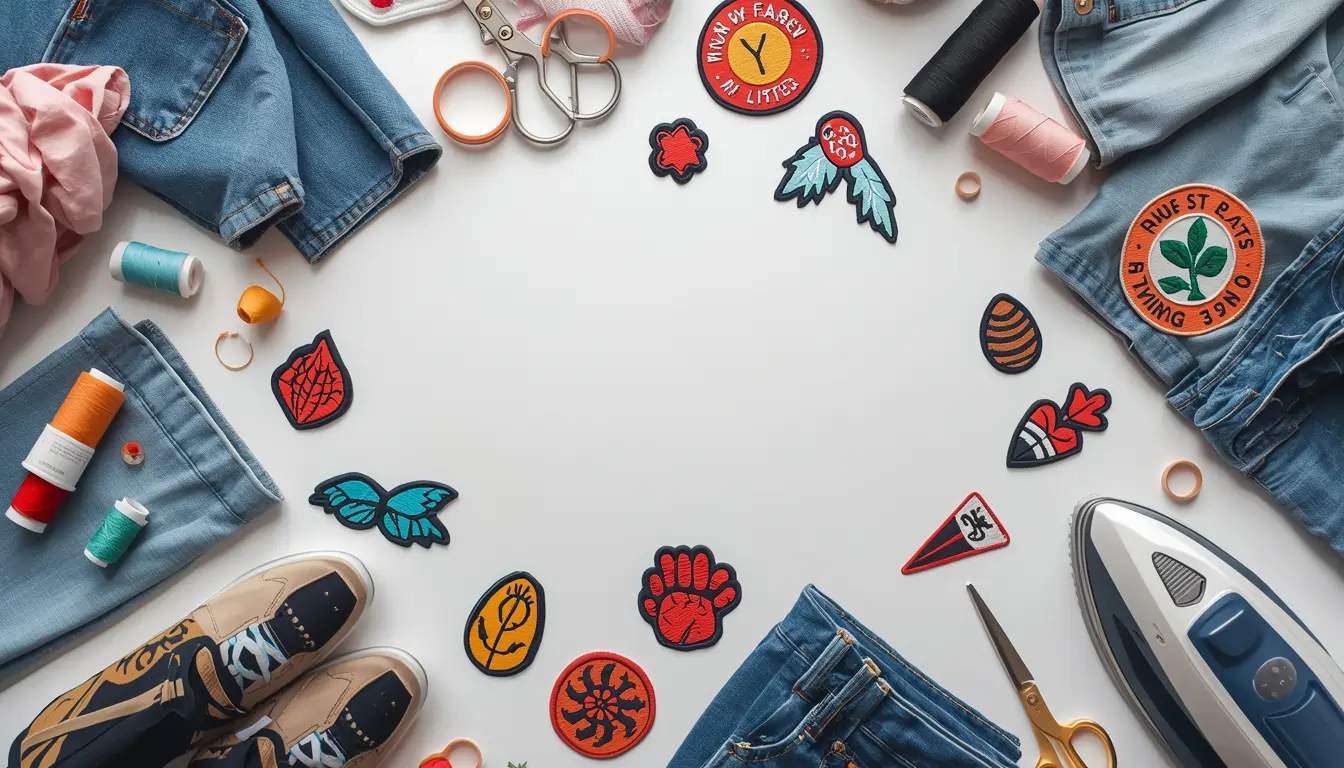
How to make custom patches for clothing? Tips [2026]
Custom patches are leading across industries. These personalised emblems are no longer limited to military uniforms or biker jackets. In 2026, these symbols have become powerful fashion, branding, and customisation tools. Streetwear brands, small businesses, and DIY creators are each making the most of custom patches as a creative and cost-effective way to stand out. Making custom patches for clothing involves multiple methods, from DIY to professional techniques. So if you are searching for techniques for personal expression, there is nothing better than creating a custom patch! Keep reading to know how to do it the right way.
What Are Custom Patches?
Custom patches are decorative emblems designed for clothing, bags, and gear to showcase messages, logos, or unique artwork. These patches are made in different styles, which include embroidered patches UK, PVC, woven, and leather.
Rather than getting directly printed, these symbols serve a greater purpose. They can be easily attached to different clothing items or accessories, depending on the occasion someone wants to use them in!
A patch comes with the flexibility of getting
- Sewed
- Ironed
- Attached with Velcro
This versatility allows them to be easily replaced, repositioned, or reused, offering greater convenience to the audience!
What Are The Materials Needed To Create Custom Patches?
The quality of a patch significantly depends on the material that is being used to create it. Each type requires a mix of base materials, tools, and finishing supplies.
Let’s take a detailed look at the exact components needed to create a patch.
- Basic Fabric (Foundation)
- Twill fabric is the most common option due to its durability and smooth nature
- Felt is a softer material that is perfect for simple or vintage-style patches
- Canvas is a thick and rugged material that is an ideal choice for outdoor patches
- Leather works for premium or bike-style patches
Each type of fabric responds differently when it is stitched or printed. So make sure to match your fabric and patch type.
- Threads And Yarns
- Polyester threads that are durable and colour-fast
- Cotton threads are a soft but less durable choice
- Speciality threads such as metallic or glow-in-the-dark threads
The quality of the threads decides the lasting nature of the embroidered patches.
- Design Material
This depends on the patch style as well.
Here is everything you need to know about the different types of patches
| Embroidered patches | PVC patches | Woven patches | Printed patches |
| Threads such as polyester or rayon | Soft PVC material, which is rubber-like and flexible | Fine threads that are used for more intricate designs. | Sublimation ink or fabric printing ink. |
- Backing Options
This decides how your material is going to attach to the clothing.
- Iron-on backing comes with an heat activated adhesive
- Sew on backing that is free of adhesives and is stitched manually
- Velcro backing that is removable, mostly used in military and tactical gear
- Adhesive backing that includes peel-and-stick techniques for temporary use
- Tools and Equipment
- Needles or embroidery machines
- Scissors or rotary cutters
- Heat press or iron
- Embroidery hoop
- Design software ( an optional choice for digital work)
- Border Materials ( Needed For Edge Finish)
These add-ons give patches a clean and professional look.
- Merrowed border ( Used as a thick stitched edge)
- Laser-cute edge ( Used for complex shapes)
- Satin stitch border
- Optional Add-ons
The optional add-ons for adding a more personalised look to patches include,
- Glow-in-the-dark threads
- Reflective materials that are used for safety patches
- Sequins or beads (Used for decorative patches)
Step-by-Step Process- How To Create Custom Patches?
So, how to make custom hat patches like a pro? Let’s take a look at each step of the process in detail:
- Plan and Design Your Patch
The design phase is the first and extremely important step, as it decides the final look of your patch.
Here is what you need to remember regarding it,
- Use bold lines as they resist the chances of getting lost in stitching
- Aim for limited colours, 2-6 would work the best
- Use defined shapes to avoid overly complex gradients
To create your own design,
- Hand-draw the design on paper and refine it
- Use software like adobe illustrators or free alternatives for a professional look
Remember these expert tips to achieve a stand-out design
- Convert your text into thicker fonts to ensure that it is readable in the thread
- Enlarge the small details, as the clear ones on screen can disappear in stitching
- Use the ‘’background, fill, outline, details’’ approach
- Select The Fabric And Patch Type
The fabric sets the base for your patch and affects the durability and appearance.
- PVC or heavy twill works great for outdoor use
- Embroidered or woven works great for fashion purposes
- Printed designs are perfect for an artistic vibe
Here is how you need to prepare your fabric for a great design,
- Cut a piece slightly larger than your design
- Place it in an embroidery hoop
- Stretch the fabric tightly to prevent puckering
This step is essential as loose fabric can often lead to messed-up stitching!
- Transfer The Design Accurately
This is the time to transfer your design to the fabric. Here is how you can move your design onto the fabric.
- Use the tracing method. Place the design under your fabric and trace it precisely
- Use a transfer paper to copy the design in a clean manner
- Use advanced techniques that involve direct printing from stabiliser sheets
Remember the following points for an accurate transfer,
- Make use of light and washable markings
- Keep the lines clear but not extremely thick
- Double-check the alignment before the stitching process
- Create The Patch
This is the step where you will witness your patch coming to life. Most of the people focus on making embroidered patches, as this is the most traditional and gold-standard type for patches.
Here is how it works,
Hand Embroidery Methods
Hand-embroidered techniques give people full control over their patches. The most common type of stitching techniques includes,
- Satin stitching techniques for filling the shapes
- Backstitch for the outline section
- Chain stitch for giving a decorative effect
- Running stitch for simple detailing
Remember the stitching order,
- Begin with the inner details
- Fill the larger areas
- Add outlines in the last
The layering order creates a plan that generates a professional look.
Remember the following tips while creating the patches,
- Keep the thread tension consistent
- Don’t pull the threads too tightly, as it could cause wrinkles
- The use of shorter thread lengths can help with avoiding tangling
The method is extremely time-consuming. However, it produces unique, handmade patches that give a detailed look.
Machine Embroidery Techniques
This technique is more precise and quicker. You need to upload your design, and the machine will stitch the design automatically.
The method is ideal for,
- Bulk production
- Consistent quality
Printing Methods
Printing methods are ideal for intricate quality and colourful designs. The most common printing techniques are heat transfer and sublimation. To achieve these, you can choose to work with best custom patches maker.
- Cut The Patch Shape
Once you are done with the embroidery, you need to shape the patch. Here is how you need to do it,
- Use sharp fabric scissors
- Cut around the design with a 2-3mm margin
This margin is essential for adding borders letter and preventing fraying.
- Don’t cut too close, as the stitches may get loose
- Don’t aim for uneven cutting, as the patch looks unprofessional
- Edge Finishing
Raw edges can often fray; this is why this step is crucial. The options available for stitching include,
Satin Stitch Border (DIY favourite)
- Stitch around the edges tightly
- This method covers raw fabric tightly
Merrowed Edge
- Gives an industrial look
- Has a thick, rounded border
Fabric Sealant
- Apply fray-checked liquid or glue
Remember, a clean border is what makes a patch look professional.
- Add Backing
This step is essential for functionality.
Iron-On Backing
- Place the adhesive sheet on the back of your patch
- Apply heat through the iron on the heat press
- Allow it to cool and set properly
This method is ideal for instant application.
Sew-On Backing
- Requires no extra material
- Is considered the most durable option
Considered as the top choice for jackets, uniforms, and denim.
Velcro-Backing
- This backing is stitched hook side to the patch
- The loop side goes onto the garment
It is mostly used for tactical and military patches.
- Attach The Patch To Clothing
The attachment process needs to be carried out carefully.
Here is what you need to remember for both types:
Iron-On Method
- Set the iron to medium-high heat
- Place a cloth over the patch
- Press firmly for 20-30 seconds
- Let cool before handling
Sew On Method
- Use matching threads
- Stitch around edges carefully
- Double-stitch the patch for durability
- Clean And Finish
This step comprises the final quality checks before use or selling.
- Trim the loose threads
- Remove markings ( wash or wipe them)
- Lightly press the patch
- Inspect edges and stitching
Remember, the presentation of your patch matters especially when you are selling it.
What Are Some Alternative Techniques To Create Custom Patches?
While embroidered patches lead the patch industry, other types are also valued by many individuals. Let’s take a look at how you can create patches with some different techniques.
- PVC Patches
- Uses liquid PVC that is poured into moulds
- Heat-cured for a rubbery finish
- Waterproof and durable
PVC patches require advanced equipment to be manufactured.
- Printed Patches
This method prints designs instead of stitching them
- Works best for photo-like detail
- Offers less texture, but more details
- Woven Patches
- The threads are woven onto the patch instead of being stitched
- Offers finer details than the embroidery technique
Why Are Custom Patches So Famous In 2026?
According to stats, the custom patch market is about to reach $2.04 billion within the next 10 years! Custom patches are popular because of their durable and affordable nature. These versatile fashion accessories are the top choice when it comes to sustainable fashion trends!
Here is why custom iron on patches are winning hearts in 2026,
- Pocket-friendly customization
Patches offer an affordable alternative to direct embroidery or custom clothing. Most of the individuals are shifting to this option to upgrade their existing items.
- Strong branding tool
Patches can be easily used on uniforms and promotional merchandise to create a professional look. This strategy also helps with increasing brand visibility and instilling a sense of team unity.
- Durability
Patches are known to last longer than most of the printed designs.
- DIY culture growth
Most of the people are interested in handmade crafts. This makes patches an ideal choice to be used as a gift.
- Sustainability
The easy application promotes clothing reuse instead of disposal.
What Are The Different Types Of Custom Patches?
Choosing the right type of patch is crucial because it affects durability, appearance, and cost.
Choosing the patch is really important because it affects how long it lasts, how it looks, and how much it costs.
1. Embroidered Patches
Embroidered patches are the common type of patch. They are made by sewing threads onto a piece of fabric. This generates a raised and textured appearance.
They are best for:
- Company logos
- Uniforms
- Classic fashion designs
The good things about embroidered patches are:
- They are a durable choice
- They look professional
- They have a style that people recognize
The cons include,
- Not an ideal choice for designs with complex details
- They are a bit thicker than other patch types
2. PVC Patches
PVC patches are made from soft plastic. They are waterproof, bendy, and very durable.
They are best for:
- Outdoor gear
- Military and tactical use
- Sportswear
The advantages of PVC patches are:
- They can withstand weather conditions
- They are easy to clean
- They are a durable choice
The disadvantages are,
- They are more expensive than embroidered patches
- Less traditional appearance
3. Woven Patches
Woven patches are made by weaving threads together. This allows for more details than embroidery.
They are best for:
- Complex designs
- Small text
- Fashion labels
The good things about woven patches are:
- They have a smooth finish
- They are accurate in detail
- They are lightweight
The disadvantages are:
- They are textured
- They are less durable
4. Printed Patches
Printed patches use printing methods to apply designs.
They are best for:
- Photographic designs
- Colour artwork
- Artistic patches
The benefits of printed patches are:
- They can have unlimited colour options
- They have details
- They are produced fast
The disadvantages are:
- They do not last long as stitched patches
- They can fade over time
5. Chenille Patches
Chenille patches have a fuzzy, raised texture and a bold look.
They are best for:
- Varsity jackets
- Retro designs
- Bold lettering
The good things about chenille patches are:
- They are visually appealing
- They have a texture
- They have a style
The disadvantages are
- Not an ideal choice for detailed designs
- They are bulkier than patches
Now you can either make your own patches or have professionals make them for you.
DIY Patches vs Professional Patch Production- Which One Works The Best?
- DIY Techniques
DIY patches are perfect for hobbyists and small projects. They allow for creativity and experimentation but require time and effort.
- Professional Manufacturing
Professional manufacturers use advanced machines and materials, ensuring high-quality results. This option is best for businesses and bulk orders.
Cost Breakdown For Creating Patches in 2026
Understanding the costs helps you plan your budget more efficiently.
DIY Costs:
- Materials: $5–$20 per patch
- Equipment: $50–$500 (one-time)
Professional Costs:
- Small orders: $2–$10 per patch
- Bulk: $0.50–$3 per patch
What Is The Best Patch Material For Outdoor Use?
For durability in harsh conditions:
- PVC patches (waterproof)
- Heavy embroidered patches
- UV-resistant threads
These materials ensure long-lasting performance.
Custom Patch Trends Design In 2026
Hyper-Personalisation and Individual Expression
Beyond just the use of generic items, 2026 trends emphasise custom patches that represent personal stories, initials, and bespoke designs.
AI-Powered and Bold Retro Designs
Brands are utilising AI to create, digitise, and scale designs rapidly, which is a major trend. These designs often feature strong outlines and bold, retro-inspired colour schemes.
Textured 3D Puff Embroidery
Rapidly seen on hats, jackets, and hoodies, raised 3D puff embroidery creates a high-impact, tactile look.
Sustainability and Eco-Friendly Materials
There is a high demand for sustainable embroidery, including the use of eco-friendly threads and organic fabrics.
Oversized Statement Patches
Large, bold patches are dominating streetwear and fashion, designed for maximum visibility on backpacks and jackets.
Mixed Media & Textures
Individuals are combining different types of patches. For instance, pairing embroidered emblems with chenille borders, PVC, or leather. This practice adds depth and texture to apparel.
Minimalist Modern Designs
Despite the trend for bold items, there is strong demand for minimalist, clean lines and limited, sophisticated colour palettes for a refined, contemporary look.
Common Mistakes To Avoid In 2026
One wrong move can affect the final appearance of your patch. Make sure to avoid the following mistakes while creating your patch.
- Overly complex designs
- Wrong material choice
- Poor stitching quality
- Weak backing
- Ignoring edge finishing
How To Take Care Of Custom Patches?
Proper care extends patch life significantly. The more you look after these small emblems, the greater impact they are going to bring! Just when you get your hands on a premium quality patch, remember to,
- Wash them inside out
- Use cold water while washing
- Avoid high heat temperatures
- Do not iron them directly
FAQS
Can custom patches damage the fabric or clothing?
No! Custom patches do not damage clothing, provided they are applied correctly. However, excessive heat during the ironing process and tight stitching on delicate fabrics like silk can cause an issue. Make sure to conduct a test on a small area at first!
What is the ideal patch size for clothing?
The right patch size depends on the placement. Small patches about 2-3 inches are generally used for caps and sleeves. On the other hand, larger patches that are about 4-6 inches are best for jackets and back designs.
Which file format is best for patch design?
Vector formats like AI, EPS, or SVG are preferred for professional production because they maintain quality at any size. Moreover, PNG or JPG can work for printed patches easily.
Wrapping Up
Custom patches are considered one of the most versatile and creative ways to personalise clothing in 2026. Whether the purpose is to create them for fun, fashion, or business, the process is accessible and rewarding. By choosing the right materials, mastering techniques, and following best practices, you can create high-quality patches that stand out and last long!

Kendall Smith loves turning creative ideas into real, custom patches. At Bespoke Patches UK, she shares practical tips and easy-to-follow guides to help anyone design their own embroidery or badges whether it’s for a club, a jacket, or a business. She enjoys exploring different fabrics, stitches, and designs, and is always excited to see the unique ways people use patches to express themselves. When she’s not writing, Kendall can often be found sketching new designs or helping a customer bring a tricky idea to life. Check out her guides and start creating your own patches.