
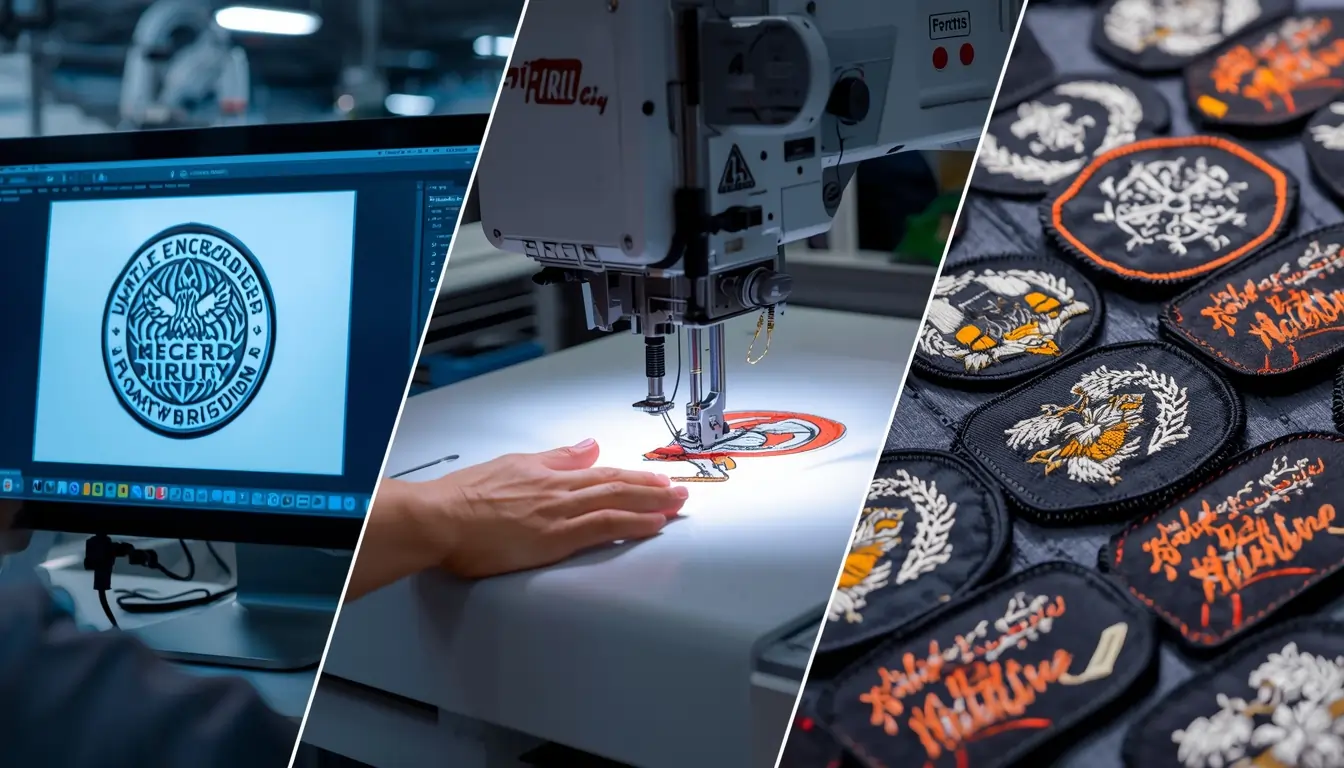
How Custom Embroidered Patches Are Made: From Design to Stitch in the UK
Custom embroidered patches are really cool. They are not something that looks nice, but they show who you are and what you are about. You can put custom embroidered patches on uniforms or on your stuff. Either way, they make people take notice. Making custom embroidered patches is a big deal because it takes a lot of creativity. In this blog, we will learn how to turn a simple idea into something that is really special.
Think of seeing your design come alive with threads. Colors, shapes, and textures come together to form something unique. Every patch tells a story, from the first sketch to the final stitch; the journey is fascinating. Let’s explore how custom embroidered patches are made step by step.
Steps To Make Custom Embroidered Patches
Turning your idea into a patch is not just about the stitching. It starts with planning and creativity. Every small detail, from shape to color, is considered carefully. This ensures that the final patch is not only attractive but also functional. The process is a mix of art and precision, making each patch unique.
1. The Design Stage
Every great patch starts with a design. The designers have a meeting with the clients to figure out what the clients want. This can be something like a logo, a symbol, or even a personal idea that the client has. Then the designers make a version of the patch design.
At this stage, colors are chosen carefully. The shape, size, and details are finalized. This step ensures the patch will look exactly as imagined. Many companies in the UK offer services for Custom Embroidered Patches UK, helping customers turn simple ideas into professional designs.
Once the design is approved, it moves to the next stage: turning it into stitches.
2. Digitizing the Design
Digitizing is an important part of embroidery. This is where the design on the computer is changed into something the embroidery machine can understand. They take each line, each curve, and each color and turn them into tiny stitches.
This step is very important if you want it to look right. If the file is done well, the final patch will look nice and clean with lots of details. If the digitizing is not done properly, the embroidery can look sloppy or uneven. The digitizing process is what makes the embroidery look good.
After digitizing, the file is tested on a sample fabric. Adjustments are made if needed, and only then is it ready for full production.
3. Stitching the Patch
Stitching is where the patch really comes to life. The embroidery machine follows the digitized file, stitching threads onto the fabric layer by layer. Different types of stitches create texture and depth in the patch.
Machines can work quickly, but attention to detail is still important. Skilled operators monitor the process to make sure everything is perfect. At this stage, designs from Military Patch Maker services are often very detailed and need extra care.
Once stitching is done, patches are trimmed and cleaned. Loose threads are removed, and the patch is prepared for backing.
4. Backing and Finishing Options
Patches can have different backs depending on how they will be used. Some common options are:
- Iron-on backing
They are for easy attachment to clothes.
- Velcro backing
It is great for removable patches that are mostly used on uniforms.
- Sew-on backing
They are for a permanent and strong hold.
The choice of backing affects how the patch will be worn and how long it will last. For example, Police Patches in UK often use Velcro so uniforms can be updated easily.
5. Final Touches and Quality Check
After the patch is stitched and the backing is added, it’s time for the final touches. Every patch is carefully checked to make sure the colors are correct, the stitches are even, and the edges are neat. This step makes sure the patch looks professional and lasts a long time.
Small details matter a lot. If a thread is out of place, it is fixed. If the patch is slightly uneven, it is trimmed. This is why skilled hands are always involved, even with machines.
6. Packaging and Delivery
When the patches finish going through the quality check, they are ready to be sent out to the people who ordered them. The patches can be packed individually or in sets, depending on the customer’s preference. Many companies in the UK are very careful to ensure the patches reach their destinations in perfect condition.
These are the steps in making a patch from just an idea to a real patch that people can use. Whether the custom Velcro patches are for a uniform, a club, or just for use, it is now ready to be worn with pride by the people.
Frequently Asked Questions
Are embroidered patches durable?
Yes, they are. Quality custom embroidered patches are made to last a long time. The threads, the fabric, and the backing are all chosen because they can withstand washing, wear, and tearing.
Can patches be used on uniforms like police or military?
Yes. Many organizations use embroidered patches for identification. Police and military patches are specially made to meet professional standards while looking clean and neat.
Can I create a completely unique design?
Yes. They are all about your creativity. Designers help turn your idea into a finished patch, making it truly unique and personal.
Conclusion
Making a custom embroidered patch is a creative and careful process. From the first design sketch to the final stitch, every step matters. The process combines art, skill, and attention to detail.
Custom patches are not just decorations; they tell a story. They show identity, professionalism, and creativity. With the right design, stitching, and finishing, a patch can last for years and make any uniform or outfit look special.
If you want something really special and just for you, then getting a custom badge is a good idea. Each is like a picture that you can show off.

Kendall Smith loves turning creative ideas into real, custom patches. At Bespoke Patches UK, she shares practical tips and easy-to-follow guides to help anyone design their own embroidery or badges whether it’s for a club, a jacket, or a business. She enjoys exploring different fabrics, stitches, and designs, and is always excited to see the unique ways people use patches to express themselves. When she’s not writing, Kendall can often be found sketching new designs or helping a customer bring a tricky idea to life. Check out her guides and start creating your own patches.