
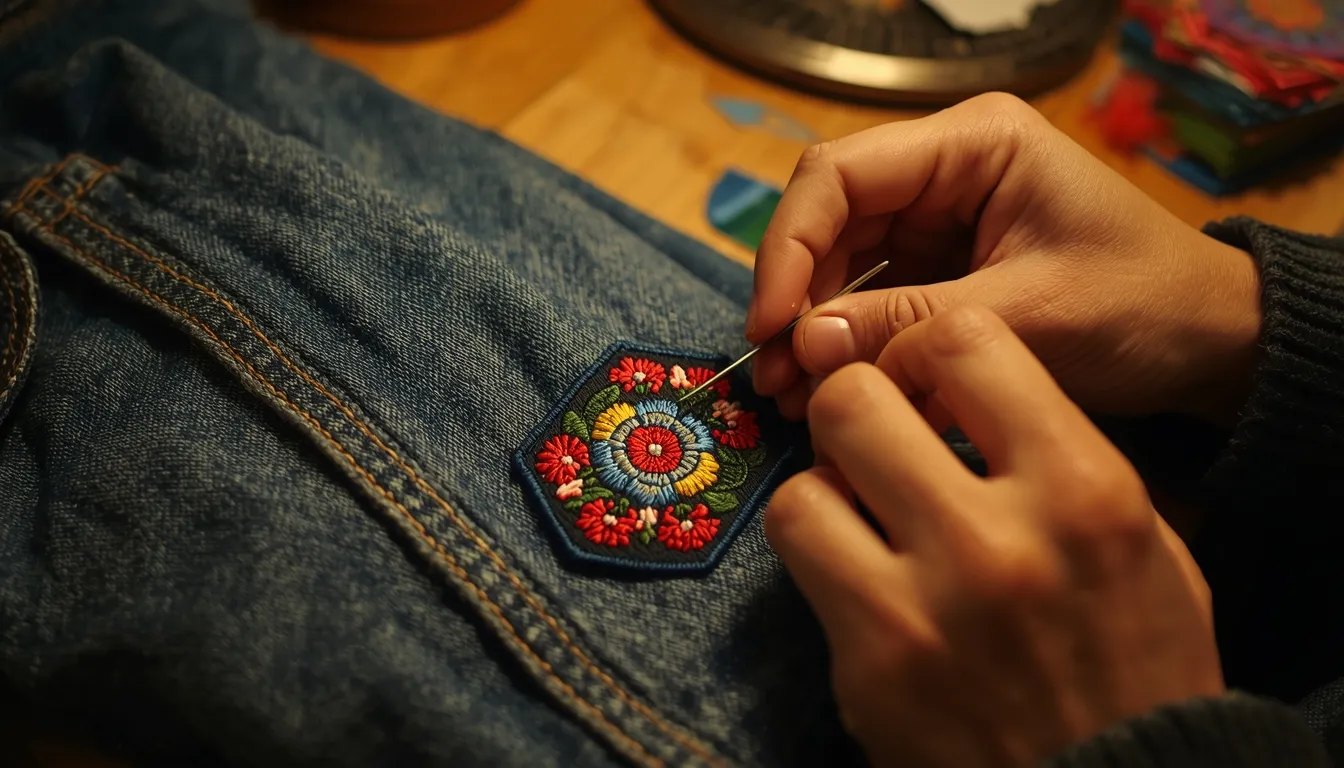
How Much Do People Charge To Sew Patches? (2026)
Patches are the heart of customised items. Jackets, bags, uniforms, promotional items, every single accessory is incomplete without a great patch. These small yet powerful design elements elevate the look of everyday wear accessories with their premium, professional stitching and designs.
One of the most common questions buyers come across is, how much do people charge to sew patches? However, there isn’t a single answer to this, as the final cost depends on various factors.
From stitch coverage and type of backing to design complexity, each factor influences the total cost associated with patch sewing.
So if you are about to place an order, keep reading to make an informed decision!
What Is Patch Sewing? A Quick Overview
Patch sewing is the process of attaching a separate piece of fabric to a garment or accessory. The process requires the use of a high-quality thread, which works with a needle or a sewing machine.
The most common applications of custom sew on patches include,
- Military uniforms
- Denim jackets
- Motorcycle vests
- Backpacks
- Promotional items
Patch sewing isn’t restricted to a single purpose, but is usually used for
- Repairing tears, holes, or spots
- Decorating clothing items with unique designs or logos
- Identification purposes, such as ranks in the military
What Are The Typical Patch Sewing Costs?
Sewing patches onto clothing isn’t restricted to a single method. Instead, here is how it is done with various methods and the costs that are associated with it.
- Basic Hand Sewing
This method works in most of the local alteration shops. In this method, simple patches are sewn onto casual clothing or jeans. Hand sewing is a time-consuming process and demands a lot of labour.
Despite low machinery costs, prices may still change depending on the labour involved.
The costs range from £5 to £15 per patch.
- Machine Sewing
Machine sewing is a slightly more professional process. It is more frequently used for denim jackets or when you have to attach various patches on single garment.
The use of machines accelerates the process and often results in cleaner attachment of the custom embroidery patches UK.
Costs range from £10 to £25 per patch.
- Complex Or Heavy-Duty Fabrics
Heavy textiles like leather, canvas, or thick fabric often require significant effort and more efficient tools. Most of the times tough materials like padded jackets require the use of advanced needles.
Most service providers categorise costs by item complexity. The typical costs include £25- 45+ per patch.
- Bulk Patches
Just like any other service, the patch industry also offers customers huge discounts on bulk orders. The more orders you place, the lower the cost per patch will be.
For instance,
- Small bulk orders (5-10 Patches) will cost £8 – £15 per patch
- Medium bulk orders ( 11 – 25 patches) £6 – £12 per patch
- Large bulk orders (26- 50 Patches) £5- £9 per patch
Why Do The Sewing Costs Vary?
A clear understanding of why sewing prices vary gives you a clear idea of the final estimates you can expect. Moreover, it can help you negotiate more effectively as well.
Let’s take a detailed look at the factors that decide the final price of your patch,
- Labor Time
Many service providers tailor their prices to the amount of labour required. Patch sewing is an extensive process. It involves positing, aligning thread colours, and stitching edges in a way that ensures durability. Based on these efforts, the price of patch sewing may vary.
- Patch Sizes
A large patch requires more threads and time than a small one. It uses more backing material and thread, which directly increases the costs.
Here is what you need to expect,
| Small patches ( about 3 inches) | Lower costs |
| Medium patches ( about 6 inches) | Average costs |
| Large patches ( about 8 + inches) | Higher costs |
- Types Of Material Used
Slippery fabrics such as leather or nylon are often challenging to handle. Moreover, sewing patches onto bulky jackets is another challenging task.
The threads need to be passed through multiple layers, which demands more precision and patience.
This is the reason that the embroidery cost in the UK is higherif your fabric has thick sections.
- Turn Around Times
Charges also depend on the expected delivery times. Express deliveries often come with more costs. However, you can choose to make a strategic move and place bulk orders to get discounted orders, even for rush orders.
What To Search For When Choosing A Patch Sewing Company?
One core factor that you need to consider is someone who offers patch production and sewing services under one roof.
The majority of people now prefer working with someone who supplies as well as ensures perfect placement!
This informed decision-making helps many customers avoid poor stitching, misalignment, and ruined final looks for their garments or accessories.
A service that offers both ensures that,
- You receive the correct stitch density for each patch type
- A professional and secure attachment that is secure for frequent washing
- No risks associated with patch damage during the sewing process
- Better value with bundled pricing
FAQS
What types of sewing techniques are used for different patches?
Embroidered patches demand secure edge stitching to prevent fraying over time. Woven patches require an extremely meticulous approach to preserve intricate details. On the other hand, PVC patches require reinforced stitching techniques due to their thickness.
What is the difference between iron-on patches and sew-on patches?
Iron-on patches are popular for their quick application. However, their adhesive weakens after washes and they lack durability. Sew-on patches are known for their superior durability and long-lasting nature, even with frequent washes.
What are some common mistakes I should avoid while paying for patch sewing?
Some common mistakes include choosing cheap options without inspecting their quality, not confirming the thread colour, neglecting to ask about the special charges for thick fabrics, and missing out on the rush order fees.
Wrapping Up
How much do people charge to sew patches? The answer is simple: it isn’t about value; instead, it depends on multiple factors, including size, fabric type, sewing method, experience, and expected turnaround times. However, most customers can expect to pay £5 for minor, small patches to around £40 for large, complex attachments.

Kendall Smith loves turning creative ideas into real, custom patches. At Bespoke Patches UK, she shares practical tips and easy-to-follow guides to help anyone design their own embroidery or badges whether it’s for a club, a jacket, or a business. She enjoys exploring different fabrics, stitches, and designs, and is always excited to see the unique ways people use patches to express themselves. When she’s not writing, Kendall can often be found sketching new designs or helping a customer bring a tricky idea to life. Check out her guides and start creating your own patches.