
Witness How a Magical 133-Year-Old Pin is Reborn This Year
It has been 133 years since this pin fell out of fashion, and yet, it still speaks volumes. Moreover, after its relaunch in 2025, the legendary pin has proved that it is timeless. It was relevant, is relevant, and will also remain as prestigious in 2050 too. However, understand the fact that the revival didn’t just happen overnight.
The historic CESSA badge was recreated and brought back to fashion by a leading UK-based merchandise company. They not only honoured the vintage pin’s legacy but also made it relevant for today’s modern culture. Let us dig into the details and understand how this magic actually happened.
A Century-Old Legendary Pin Recreated in 2025
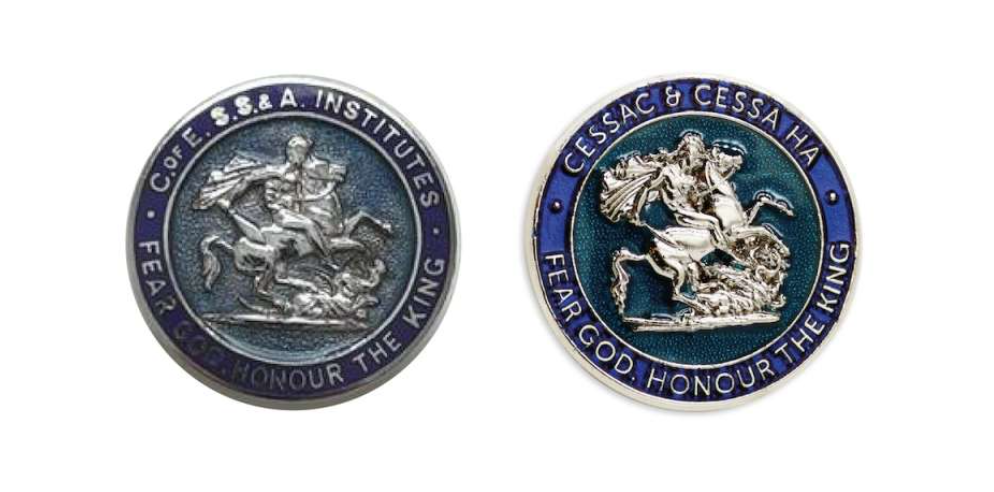
The very sleek CESSA badge dates back 133 years and was originally created by the Co-operative Employees’ Social Society Association. It was made to symbolise unity, welfare, and pride among the co-operative workers in the late 19th century.
However, more than just an accessory, it had always represented a shared commitment to social support and dignity in the workplace.
Detailed Design-Breakdown of the Antique Badge
Look at the simple yet meaningful design. The badge is round with the names of the sister organisations ‘CESSA & CESSA HA’, clearly embossed on the blue decorative border. The lower part of the badge also reads ‘Fear God Honour the King’. This motto is about religious devotion and loyalty to the monarchy, a common sight in British institutional emblems of the time.
Moving on, notice how the custom-made badge making company that reimagine it has taken care of not changing the entire look. Except for a few subtle changes, everything else remains the same as in the original pin.
The man on the horse is also still there, representing the veterans of the Army, Royal Navy, and Royal Air Force. The only part that isn’t the same is the production material. Previously, in the 1800s, the people of CESSA used to manufacture it with a type of powdered glass that fuses to metal at high temperatures. However, the recreated pin is now made of epoxy-based enamels.
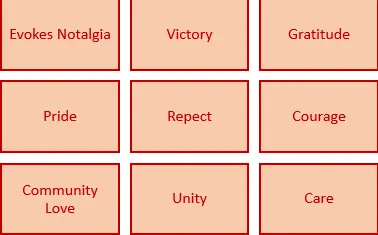
Different Emotions Associated with the Pin
More Vintage Pins That Made Waves on the Internet
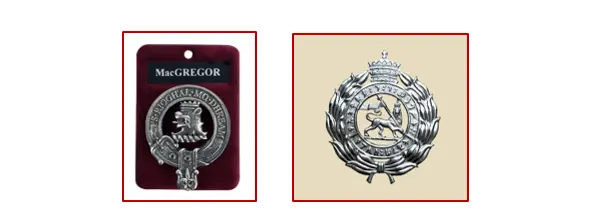
- The old-style Ethiopian Collectable badge features a silver lion in the centre, topped with a crown. It is from the Hail Selassie Era, which dates back to the mid-1900s. It is called the Lion of Judah Emblem.
- The second one is a MacGregor cap badge that is made of pewter. This one is called the S Rioghal Mo Dhream, featuring a very precise face within a circle-shaped belt. It is perfect to wear on a bare hat and will be easily available on online Hat patch customisation services.
The Process of Recreating Any Pin Badge from Scratch
- Research the Collection
You need to begin by collecting all available references to the original badge, such as the photos, physical samples, or historical documents. Then, either do it yourself or hire a professional to study its specifications. It is important for the exact recreation.
Moreover, if the badge has a historical or symbolic meaning, understanding its background helps guide respectful recreation. Also, you will need clear visuals and context of the pin for the designer and manufacturers to replicate.
- Digital Redesign & Artwork Preparation
The second step is that once all the information is gathered, a customised military patches designer has to recreate the badge digitally using vector software like Adobe Illustrator. Every detail, such as text, symbols, borders, and colours, must be carefully redrawn to match the original.
This digital file then becomes the blueprint for production. Designers, however, may also adjust the artwork slightly to suit modern manufacturing techniques. Later, the final design must be reviewed for accuracy and clarity before moving to the next step.
- Material Selection
With the digital design approved, a custom mould is created to stamp the original shape and details into metal. This mould is typically made from steel and used to press the design into brass, zinc alloy, or iron. The maker can decide any of the three depending on the desired finish and durability. This step is crucial for ensuring the recreation retains the same fine details as the original. To proceed, once the mould is ready, it is tested for clean and precise impressions.
- Enameling, Plating & Finishing
After stamping, the pin is cut to shape and polished. Then, it is carefully filled with coloured enamel in the preferred areas of the design. Here, too, they have to choose between both soft enamel for a textured feel and hard enamel for a smooth, glassy finish.
The emblem is later baked to harden the enamel. As soon as it hardens, it is plated in gold, silver, or another metal finish. The final touches are then carried out. First, the sanding, then the polishing, and finally, the addition of protective coatings.
- Quality Inspection
Lastly, it is time to make the pin attachable. For this, a clasp is glued to its backside. This could be anything from a butterfly clutch to a safety pin, and maybe also a magnetic backing. The final choice depends on how the badge will be worn. Each emblem is then inspected for quality. The makers check if the colours are accurate. They also double-check for smooth edges and secure fittings.
Are old pin badges worth anything?
Yes, they are valuable, especially if rare, historic, or in good condition. Collectors often pay several dollars more for military, campaign, or limited-edition pins. Hence, the value depends on the design and demand of the badge in the collector’s market.
How to create a pin badge?
You can make one using a button machine or a badge-making kit. All you have to do is just design your artwork, print it, and press it into the badge with the machine. It is a fun DIY project, which is also great for gifts or branding.
How are custom pin badges made?
Custom pin badges start with a design, which is turned into a mould. Once the metal is stamped, cut, and shaped, it is then filled with enamel and baked for durability. Finally, the pins are polished and fitted with clasps for wearing.
The Lessons Learnt
The two lessons you can learn from this blog are that one, something that has gone out of fashion can suddenly make a comeback into the limelight. Number two is that you should always follow the exact procedures, such as this process of bringing to life historic badges. It will not be easy, or rather exact, if you don’t follow the rules as they are. So, go through the blog again and make notes. Soon, you will be able to revive several other outdated badges that people cherished in the 1800s and 1900s.

Kendall Smith loves turning creative ideas into real, custom patches. At Bespoke Patches UK, she shares practical tips and easy-to-follow guides to help anyone design their own embroidery or badges whether it’s for a club, a jacket, or a business. She enjoys exploring different fabrics, stitches, and designs, and is always excited to see the unique ways people use patches to express themselves. When she’s not writing, Kendall can often be found sketching new designs or helping a customer bring a tricky idea to life. Check out her guides and start creating your own patches.