
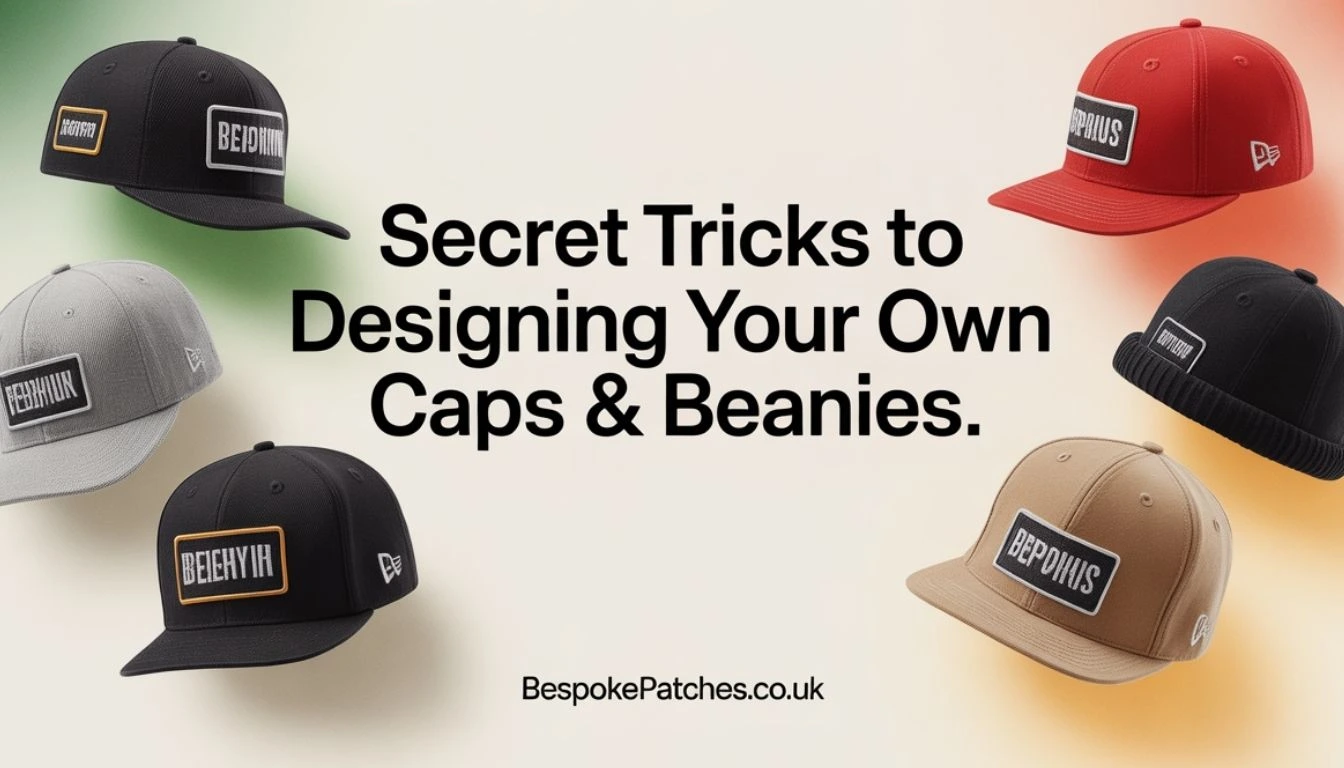
Secret Tricks to Designing Your Own Hats, Caps & Beanies
Designing your own hats, caps, and beanies is more than just a creative hobby. It is considered one of the most powerful ways to express personal style, build a brand, or even start a profitable business! Considering the affordability factor of these hats, they have turned into a worthwhile investment for branding and other purposes! So if you’re a beginner experimenting with DIY fashion or an entrepreneur looking to create custom headwear, understanding the “secret tricks” behind great design can make all the difference.
Keep reading to discover the expert insights, practical techniques, and creative tips to help you design standout headwear that looks professional and sells.
Why Custom Headwear Is Trending
Custom hats and beanies are booming in 2026. All thanks to streetwear culture, influencer branding, and personalisation trends. Various options, such as embroidered caps and minimalist beanies, are loved and admired by people as they prefer wearing designs that reflect their true identity.
The real reason behind the hype of these hats:
- Comes with different customisation options
- They hold a strong branding potential
- Have a high demand for fashion and merchandise
- All suitable for different seasons and styles
Moreover, many self-designers also rely on custom cap patches services to add a unique touch to their headwear.
What You Need To Know Before Designing A Hat?
Creating a custom hat is an extremely thoughtful and rewarding process. With the right approach, you can design a hat that not only looks charming but leaves a lasting impression as well. Let’s take a look at the simplest ways to design your very own attention-grabbing hats!
1. Start With a Clear Design Purpose
In 2026, hats will no longer be used as a fashion accessory only. Instead, they are among the most remarkable promotional tools that can serve as a walking billboard for your personal brand or business! Personalised hats are an essential part of the marketing strategy of almost every business.
So before jumping into design tools or materials, here is what you need to ask yourself:
- Who is this for? (personal use, brand, gifts)
- What message or vibe do I want to convey?
- Is it casual, sporty, luxury, or streetwear?
Remember, design details that tell a story or evoke emotion tend to perform better, so keep your focus on simplicity!
2. Choose the Right Type of Headwear
The hat style you choose will work as your base, and selecting the right base is crucial. Not all types of hat designs will work on each hat. Each style has a specific construction order.
The most popular options for hats include:
- Baseball Caps, as they are great for logos and structured designs
- Snapbacks as they are ideal for bold streetwear branding
- Beanies, which are best for minimalist logos or text
- Dad Hats that are perfect for subtle and aesthetic designs
While you are considering the hat types, make sure to match your design complexity with the surface area of the hat. For instance, smaller areas (like beanies) work best with clean, simple details.
3. Focus on Fabric and Material Quality
The material choice you are making is essential for the impact of your design. The fabric will decide how embroidery, printing, or patches appear on the final product.
The most common materials that are used include:
- Cotton that works as a breathable and versatile choice
- Wool works ideally for winter beanies
- Polyester blends are a durable and cost-effective choice
Experts suggest that using textured fabrics like wool can sometimes distort fine details! So make sure to simplify your design accordingly while using this fabric.
The fabric choice for the patch matters as well. The best patches UK companies often offer a wide range of customisation options, from embroidered to rubber patches.
4. Master Colour Combinations
Colour is one of the most powerful elements in design as it can instantly elevate the mood of your audience. Remember, you need to create something different, so there is nothing wrong with experimenting with multiple colour choices!
Here is what you need to remember while choosing colours:
- Focus on selecting 2–3 primary colours for a clean look
- Contrast is key for your hat to shine (light logo on dark cap or vice versa)
- Stick to your brand palette if you are designing for business
Most of the hat makers suggest using the 60-30-10 rule. This includes:
- 60% main colour
- 30% secondary colour
- 10% accent colour
This approach creates balance and visual appeal, which sets the mood for your audience.
- Keep Typography Simple but Impactful
If your design includes text, typography matters more than you think.
While adding text:
- Use bold, readable fonts
- Avoid overly decorative styles
- Ensure spacing is clean and balanced
Embroidery works best with thicker fonts. Thin lines often struggle to stitch properly.
6. Placement Is Everything
Most of the people perceive your design based on its placement.
The most common placement areas are:
- Front panel (most popular)
- Side panel (for subtle branding)
- Back ( for adding logo or tagline)
If you are planning to go for a modern, premium look, offset placement (slightly off-center) should be your choice! Remember, knowing the function of each part of the hat allows you to place logos and patches strategically for maximum visibility.
7. Choose the Right Customisation Method
Different techniques produce different results on hats.
The most popular methods are:
- Embroidery works best for premium, durable, and textured results
- Screen Printing is great for bold graphics
- Heat Transfer is ideal for detailed designs
- Patches (PVC or woven) are a trendy and versatile choice
Embroidery is the most popular choice for caps because it adds a high-end feel. Flat embroidery and 3D embroidery are among the most commonly considered choices for representing a brand.
FAQs
What is the best method for designing custom hats?
Embroidery is the most popular method due to its durability and premium look, especially for logos and text-based designs. Moreover, direct-to-film transfers are a superior choice for high details and gradient graphics.
How much does it cost to design custom hats?
The costs of designing a hat vary depending on materials and customisation methods. However, if you are searching for a budget-friendly approach, bulk orders and simple designs can help you reduce the expenses.
What do I need to keep in mind while designing the structure of my hat?
While designing your hat, choose a 5-panel hat for a flat front, which is perfect for large and bold graphics. On the other hand, you can choose a 6-panel cap for a more rounded, traditional, and structured look.
Final Thoughts
Designing your own hats, caps, and beanies requires a strong mix of creativity, strategy, and attention to detail. The key is to focus on the design purpose, material quality, colour balance, and placement, and you can create headwear that not only looks great but also resonates with your audience. The real “secret” isn’t just in the tools or techniques, it’s in having a clear understanding of what people want to wear and delivering it with style! So start simple, experiment boldly, and refine your designs over time, and with consistent practice, your next custom hat could be your signature piece or even the start of your own successful brand!

Kendall Smith loves turning creative ideas into real, custom patches. At Bespoke Patches UK, she shares practical tips and easy-to-follow guides to help anyone design their own embroidery or badges whether it’s for a club, a jacket, or a business. She enjoys exploring different fabrics, stitches, and designs, and is always excited to see the unique ways people use patches to express themselves. When she’s not writing, Kendall can often be found sketching new designs or helping a customer bring a tricky idea to life. Check out her guides and start creating your own patches.