
How to Iron On Patches on Polyester Without Damaging Fabric
Learn how to iron patches onto polyester clothes safely. Discover methods that keep the fabric from getting damaged and help you get a professional look each time.
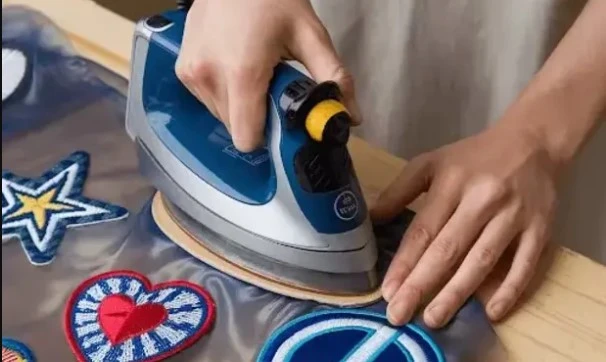
How to Safely Iron On Patches to Polyester
When it comes to a polyester jacket, backpack, uniform, or sports shirt, adding a patch to it seems like a simple enough process until heat is added.
Polyester has different properties from cotton and denim and does not behave the same way when exposed to high temperatures.
Over a certain temperature, shiny marks can be left, fibers can melt, the fabric may be distorted, or the whole garment may be ruined. That’s why it can be difficult to iron on patches onto synthetic materials.
The good news is that when done properly, polyester can be successful at retaining patches.
Controlling the temperature, using protective barriers, and careful application of pressure are the key factors.
When done right, you can iron on a patch without damaging the fabric.
Protection of Polyester from heat damage
The downside of polyester is that it is heat-sensitive.
Synthetic fibres are made differently from natural fibres and get considerably softer at high temperatures.
One of the causes of the failure of many patch applications is that people apply patches using the same ironing technique they use for cotton clothes.
Unfortunately, the method applied to a cotton hoodie cannot work well for a polyester jacket.
Understanding this difference is the first step towards successful patch application.
Effective preparation for better results
A patch is often prepared in a way that can make or break the success. Check the garment thoroughly before using the iron.
Ensure the fabric is dry and clean. Moisture in the material will affect the activation of the adhesive. Oils, dirt, or glue from fabric softeners could also reduce the bond between the patch and the garment.
A flat finish is also crucial. The wrinkles may cause uneven pressure and may not allow the film to adhere.
By preparing the fabric effectively, you can easily iron on patches on the polyester without damaging the fabric.
Avoid costly mistakes using Fabric Testing
Not all polyester garments are made the same. Some are made of 100% polyester, and some have cotton, elastane, or performance fibres.
To determine the reaction of the material, test a small area first, then apply the heat. This can be done with a hidden seam or on the inside of a garment.
It helps prevent any damage and gives confidence before working on visible areas.
It is particularly helpful when applying patches to expensive clothing or uniforms.
Forming stronger bonds with proper placement
All patches should be placed with care. After adhesive activation, it will be hard to reposition the patch and could damage the fabric as well.
Place the patch in the correct position, then heat it. Test alignment at various angles and make sure the design is positioned precisely where it’s supposed to be.
If you are working with a larger design, then you can use the heat-resistant tape that is used temporarily to keep things together.
Correct positioning will help to produce a cleaner look and limit the potential for error when applying.
Selecting a Safer Temperature for Polyester Fabrics
One of the most critical factors is controlling the temperature. Polyester is a heat-sensitive fabric and requires less heat.
In most successful applications, the temperature is kept in the moderate range. Too much heat can cause the adhesive to react and initiate the fusion and can also damage the fabric.
The challenge is to make it soft enough to bond but still maintain the integrity of the fibres.
Slowly increase the amount of heat rather than applying too much heat at the beginning.
Improving Fabric Protection with a Pressing Barrier
Direct contact between iron and polyester is not generally recommended. A protective layer will help to distribute the heat evenly and prevent scorching.
A thin cotton cloth, parchment paper, or pressing sheet is good to use as a barrier. This additional layer will help protect the fabric and will also provide adequate heat to the adhesive.
This is an important step as it greatly reduces the risk of shiny marks, fabric damage, and colour changes around the patch area.
Strengthening Patch Bonding Through Consistent Pressure
Mostly, people pay attention only to the heat and ignore the pressure.
It is important to press the iron in place; do not slide it back and forth. Apply heat for the recommended time only.
Uniform pressure will cause the adhesive to spread evenly and bond the fabric.
The continuous movement of the iron can cause the patch to shift, hence the bonding is uneven. With consistent heat and pressure, cleaner, stronger, long-lasting results are achieved.
Recommended Heat Levels for Polyester Blends
First, turn off the steam on your iron. Then, set the temperature between 250°F and 275°F (110°C to 130°C). This works great to iron on patches on polyester.
| Fabric Type | Iron Setting | Temperature (°F / °C) | Press Time | Steam Usage |
| 100% Polyester | Low / Silk Mode | 250°F / 121°C | 15 seconds | Not recommended |
| 65/35 Poly-Cotton | Medium / Wool | 280°F / 138°C | 20 seconds | Not recommended |
| Poly-Spandex | Lowest Setting | 230°F / 110°C | 10 seconds | Avoid steam |
Here’s an easy guide to help you pick the right heat and how long to press the fabric:
Following this temperature will help you to iron on the patch safely without damaging the fabric.
Enhancing Performance using Quality Patch Materials
Sometimes, success in applying the patch depends on the quality of the patch itself. Inadequate adhesives may need a lot of heat to work, which can lead to damage to the fabric.
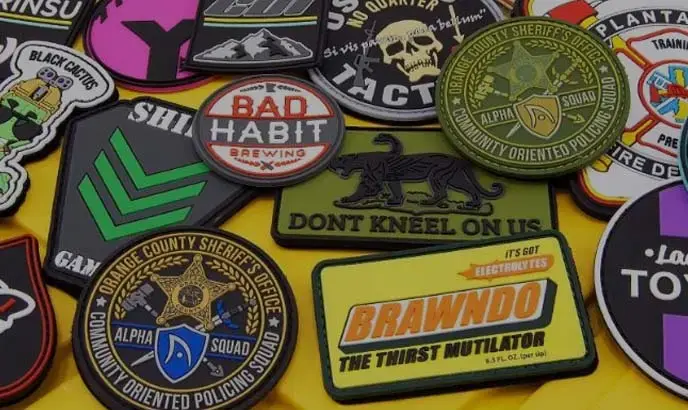
The patches are usually of high quality and feature sophisticated backing materials that iron well at a low temperature. This results in better safety for polyester clothing.
Better materials will not only enhance adhesion, but they will also help to make the patch last longer and will stay on the fabric during washing and frequent use.
Common Polyester Application Mistakes
There are some common pitfalls that occur with patch installation.
Common errors include:
- Using excessive heat
- Ironing under steam application
- Moving the iron continuously
- Applying pressure unevenly
- Failure to follow garment care instructions
By steering clear of these problems, you can easily iron on patches on polyester without damaging the garment.
Enhancing Uniform Appearance with Professional Patches
Patches are popular for uniforms, workwear, clubs, and organizations. A patch adds identity and enhances the aesthetic appeal when professionally applied.
Custom patches UK suppliers provide a variety of patch designs that can be customized to fit the needs of a business and match their uniforms or other clothing items.
Correct application of these patches on polyester clothing will make the outfit look and feel professional and more durable, as needed for daily use.
Creating Better Results with Professional Heat Presses
While household irons are usable for occasional use, heat presses are a better option for precise application.
A heat press will create even temperature, pressure, and contact over the overall patch area. These benefits help minimize the risk of application mistakes.
Heat presses are popular among many clothing industries due to the ability to create consistent designs on a large scale of garments.
It is very beneficial to safely iron on patches without damaging the fabric.
Premium Quality Patches in the UK
Bespoke Patches UK produces top-notch embroidered and heat-seal patches that last a long time and look great. Due to strong adhesive backing, they stick well to various fabrics like polyester without damaging them.
The stitching is perfect, and the colors stay bright even after washing, which gives a professional feel.
Many people love using these patches for uniforms and branding because they’re both stylish and reliable. With their attention to detail, each patch ends up looking professional and premium.
Developing alternative solutions for reducing application risks
Not all problems can be solved with heat. Some polyester fabrics can be quite delicate and may not be applied with an iron.
Under these circumstances, sewing may be a safer alternative. Stitching is used to eliminate heat-related risks and still offers excellent durability.
When heat can’t be applied, special-purpose fabric adhesives can provide useful solutions.
The selection of the appropriate method depends on the type of garment and the use of patches.
Maximizing Patch Longevity After Installation
Appropriate post-application maintenance maintains the appearance and adhesion of the patch.
Do not wash the garment within 24 hours after application. This will give the adhesive time to completely cure and reach its peak strength.
Use a moderate temperature when washing and turn the item inside out. Excessive heat, patch drying too rapidly, and harsh chemicals can reduce the life of the patch.
With consistent care, the patch and garment can be maintained for years.
Bespoke Patches London makes custom patches that combine creativity with durability. Using advanced embroidery, their designs feature sharp details and a fancy finish that really pops on clothes and gear.
The adhesive backing of the patches bonds securely and easily to the fabric with the right heat.
Making More Reliable Products with Expert Manufacturing
Bespoke Patches London makes custom patches that combine creativity with durability. Using advanced embroidery, their designs feature sharp details and a fancy finish that really pops on clothes and gear.
The adhesive backing of the patches bonds securely and easily to the fabric with the right heat.
Due to their consistency and easy application, customers recommend these patches for personalized clothes, team uniforms, and promo gear that need a professional look.
Applying Patches Successfully Without Damaging Fabric
By following all the steps carefully, you can successfully iron on patches on polyester without damaging the fabric.
Preparation, temperature control, correct pressure, and patience are the keys to success.
Don’t hurry the application; rather, ensure the protection of the garment and slowly activate the adhesive.
This well-rounded strategy provides good binding and protects polyester fibers underneath.
If these techniques are done properly, patches can be safely and effectively Iron On Without Damaging Fabric.

Kendall Smith loves turning creative ideas into real, custom patches. At BespokePatches.co.uk, she shares practical tips and easy-to-follow guides to help anyone design their own embroidery or badges whether it’s for a club, a jacket, or a business. She enjoys exploring different fabrics, stitches, and designs, and is always excited to see the unique ways people use patches to express themselves. When she’s not writing, Kendall can often be found sketching new designs or helping a customer bring a tricky idea to life. Check out her guides and start creating your own patches.