
How to Iron On Patches Without Damaging Fabric
Tired of scorching costly garments with dazzling hot spots? Learn a safe way to apply iron on patches using an innovative technique that will help you prevent damaging the fabric.
Avoiding Fabric Damage Through Proper Iron on Patch Handling Methods
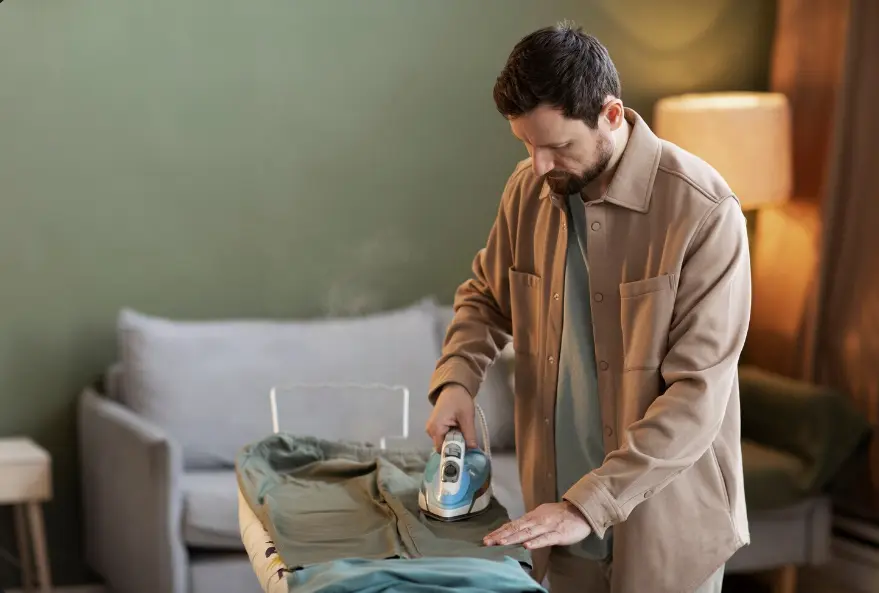
Iron-on patches have now become one of the most common ways of customizing clothing, uniforms, jackets, bags, and streetwear.
Patches provide individuals, brands, and designers the ability to turn boring outfits into creative attire without sewing or spending too much money.
Nevertheless, even though ironing patches may seem like an easy procedure, many people actually do not know how it works.
For instance, most think that all you need is to put on a patch and use an iron above it.
Yet, this process requires the knowledge of heat chemistry, fabric sensitivity, and accurate timing. Otherwise, it may cause burns, melting of the patch, stiffness, or staining of your clothing.
Let’s explore detailed instructions on every aspect of patching, from heat activation processes to fabric sensitivity.
How Heat Bonding Technology Actually Works
Bespoke Patches London utilizes thermoplastic adhesive, which was specially created to melt when heated.
Upon melting, the adhesive melts and seeps into the fibers of the fabric. Upon cooling, it solidifies and creates a bond between the two surfaces.
Three crucial factors must be considered when bonding iron-on patches: heat, pressure, and cooling time. Any mistake will greatly reduce the strength of the bonding.
Excessive heat will damage the fibers, and insufficient heat will fail to create an adequate bond.
In addition, insufficient pressure will result in partial bonding, where the patch may only adhere to some portions of the surface.
How Material Choice Changes Everything
Various materials react differently when exposed to heat, depending on fiber content and density.
Although cotton and denim can be considered good fabrics for applying iron-on patches as they are heat-resistant, other fabrics, such as polyester and nylon, should be treated with caution.
Thick material retains heat longer than thin material, which absorbs heat faster and has a chance of burning.
Moreover, coated or treated materials might prevent any adhesive from penetrating the fabric.
Fabric understanding is important since no matter how accurate an application technique is, it cannot resolve the issue of incompatibility.
Fabric Preparation Before Application
Preparation provides proper adhesion and prevents patches from being defective in the long run. The lack of preparation may be considered one of the major mistakes made by users.
First of all, before you put on any patch, you should clean your fabric from dirt, dust, oils, detergents, or other invisible layers that would impede proper bonding between adhesives and fibers.
Moreover, the fabric should be dry, since water would prevent proper heating.
Ironing fabric in advance makes sure that you apply proper pressure on your patch.
Working Safely with Heat-Sensitive Fabrics
Certain types of textiles need extra care as they are very sensitive to exposure to heat.
Synthetic fabrics such as polyester have a tendency to easily melt and change their shape due to heat exposure.
Iron On Polyester calls for using much lower heat levels and always placing a cover between the iron and the fabric.
Polyester is very heat-sensitive; even the smallest mistake may result in irreversible fabric damage.
Recommendations for handling heat-sensitive textiles:
- Always use low to moderate heat only
- Avoid iron contact with the fabric
- Use short bursts of heat
- Test on small hidden textile spots first
This will allow you to iron patches on the fabric safely.
Step-by-Step Iron-On Patch Application Method
Correct application of Bespoke Patches London involves an organized process instead of an unorganized heat application process.
Ensure that your iron is at a medium heat setting and the steam has been turned off. Steam interferes with the adhesion process and must not be used under any circumstances.
Carefully apply the patch and position it appropriately. Cover it with a piece of soft cotton fabric after positioning the patch.
Apply continuous pressure to the patch through the iron for about 20 to 30 seconds while holding it stationary.
Flip the fabric and apply the same process from the backside to promote a deep penetration of fibers.
After that, allow the garment to cool completely before wearing.
Professional Application Standards in the Industry
Heat press machines are preferred by professional customization companies over irons because they provide uniform heat distribution.
Bespoke Patches London depends on machines that ensure uniform pressure and temperature distribution in their patch applications.
These machines ensure human error is kept away from the process and no patch is over-heated or under-heated.
Professional methods incorporate factors such as accurate temperature control, automated pressing cycles, and testing of the adhesive to fabrics. These factors determine the longevity of the patches compared to homemade patches.
Common Mistakes That Damage Fabric
Most patch problems are caused by incorrect technique, not because of bad quality materials.
These include:
- use of too much heat in an effort to enhance bonding
- Gliding of the iron while applying the patch
- not using a cloth barrier
- Inconsistent pressing on the patch area
- Cleaning the clothes immediately after application
All these contribute to reduced adhesion and potential damage to both the material and the patch.
Fabric Compatibility Guide
| Fabric Type | Heat Resistance | Application Safety | Recommended Approach |
| Cotton | High | Safe | Regular ironing is suitable |
| Denim | High | Safe | Strong bonding occurs |
| Polyester | Medium | Moderately risky | Heat requirement is low |
| Nylon | Medium | Be cautious | The application needs to be controlled |
| Silk | Very Low | Risky | The iron-on method should be avoided |
The above table will give users an idea about the safety level of Bespoke Patches UK before applying heat to their clothes.
When Iron Should Not Be Used
Iron-on patches may not apply to all materials or situations. There are some fabrics that cannot tolerate heat welding.
Do not use iron-on patches where the fabric is delicate, like silk or lace. Also, avoid using iron-on patches where the material is waterproof or fully coated.
Frequent washing at a high temperature will degrade the adhesives used to create iron-on patches. Such clothes should be sewn instead.
Post-Application Care and Maintenance
Patch longevity is highly dependent on proper care techniques that allow patches to remain durable.
Care tips:
- Refrain from wearing them inside out during laundry
- Use either cold water or mildly warm washing machines
- Employ air drying in place of heat in dryers
- Discourage using a heated surface on a patch during ironing
Such techniques will greatly improve Bespoke Patches UK durability.
Troubleshooting Common Patch Problems
Problems may develop even if proper application is carried out.
If the edges start to lift, heat and pressure should be applied to activate the adhesive once again. If the cloth feels too rigid, it could be due to overheating while applying the patch.
In case of uneven adhesion, even heat treatment should be applied across the surface of the patch.
Importance of Patch Quality in Final Results
Even the most perfectly executed design will not make up for poor-quality materials.
The adhesive power, density of stitches, and backing are essential components of an embroidered patch that affect its durability.
Custom embroidered patches utilize high-quality adhesives that react well to controlled heating. This results in more durability and higher performance.
Good materials guarantee superior bonding, a more elegant look, and increased durability.
Can You Use a Hair Straightener to Apply Iron-On Patches?
Yes, it is possible to use a hair straightener for applying an iron-on patch, though this technique is not considered the most effective one.
The main problem is the small size of its surface area, which does not allow applying uniform pressure.
As proper adhesion requires certain temperatures, incorrect parameters of the straightener will inevitably affect the result.
Nevertheless, if you still choose to use this tool, remember to clean the appliance and press it evenly while applying the patch.
The most efficient method of application is the old-fashioned ironing.
Environmental Factors That Affect Application
External factors like room temperature and humidity play an important role in determining the effectiveness of the patch.
Low temperatures inhibit the activation of the glue, whereas high humidity hampers bonding.
The most reliable results can be obtained from an environment with constant indoor conditions.
Advanced Tips for Long-Term Durability
More advanced procedures may be used by people to increase the effectiveness of this type of adhesive.
They include:
- Two pressings to provide better bond strength
- Longer cooling period before applying the glue
- Stitching on edges
- Even pressure as opposed to spot pressure
All these contribute to better long-lasting adhesion.
FAQs For Your Assistance
Can iron-on patches harm clothing materials?
Iron-on patches can cause irreversible damage to fabrics when the wrong temperature or pressure is applied, thus resulting in burns, discoloration, and other damage.
For how long should heat be applied to iron-on patches?
Usually, the required heat time for application to the garment is between twenty and thirty seconds for each side.
Can polyester materials be used for iron-on patches?
It is possible to apply patches on polyester only by using a low temperature and applying protective material on top of it.
How long do iron-on patches hold on garments?
They usually last very long since they are applied properly and washed using only cold water.
Can I use iron-on patches again if they peel off?
Yes, if patches were peeled, they can be heated again to fix the situation or sewn to the garment if necessary.
Conclusion
Applying an iron-on patch is a systematic process where knowledge about heat, fabric, and application is important.
It appears easy, but even a small mistake might cause permanent damage or weak bonding.
By using proper preparation, applying heat correctly, and maintaining it properly, people can achieve excellent, professional, and durable results. By combining the best materials offered by Bespoke Patches UK and proper application techniques, iron-on patches become a dependable and safe product for every purpose.

Kendall Smith loves turning creative ideas into real, custom patches. At BespokePatches.co.uk, she shares practical tips and easy-to-follow guides to help anyone design their own embroidery or badges whether it’s for a club, a jacket, or a business. She enjoys exploring different fabrics, stitches, and designs, and is always excited to see the unique ways people use patches to express themselves. When she’s not writing, Kendall can often be found sketching new designs or helping a customer bring a tricky idea to life. Check out her guides and start creating your own patches.