

Iron On Patches on Fleece: What You Need to Know
To guide the behavior of patches on fleece material, possible problems that one can face while applying patches, and proper methods of applying iron-on patches on fleece without compromising the quality of the fabric.
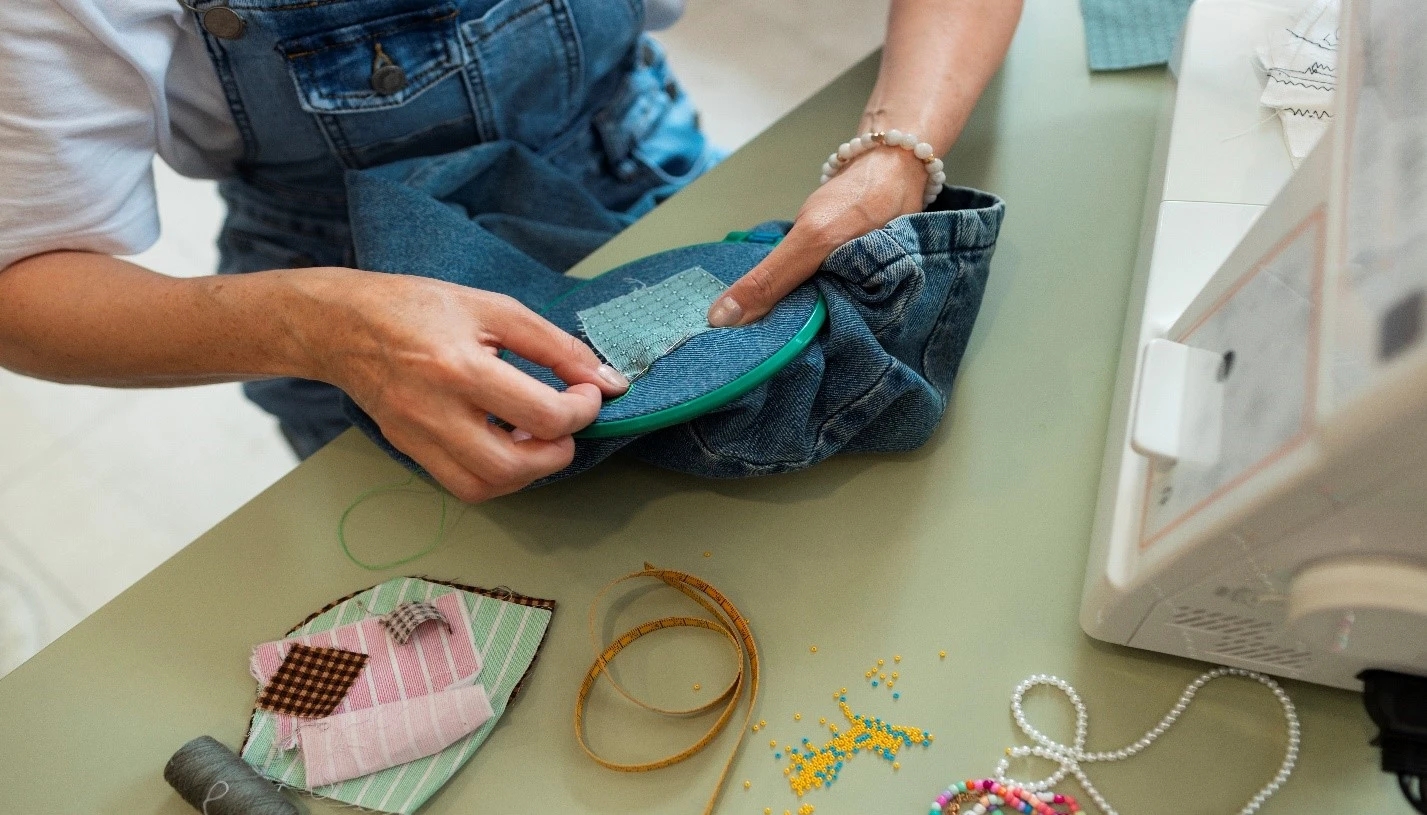
Want to The Truth About Using Iron On Patches on Fleece?
Fleece jackets and hoodies are cozy, warm, and easy to put on anywhere you go. However, the minute one decides to add a patch to their clothing, several questions pop into their heads.
Is it safe to apply heat? Will the patch survive several washes? Why do some patches have a sleek finish, while others start peeling off from the edges even after a couple of wears?
In reality, fleece has specific properties that make it unique for patches. The texture and heat-sensitive fibers of this fabric may make patching difficult if applied improperly.
It is crucial to understand the material and its properties before attempting to apply it. The beauty of the patch isn’t just about its aesthetic appeal; it’s about how well the process was executed.
Why Fleece Fabric Needs Extra Care
The fleece material seems durable; however, it is mostly made with synthetic polyester fibers and responds differently to high temperatures, which can smooth its fluffy structure, make it glossy, or even cause irreversible damage.
These are common mistakes many individuals make because they think fleece is a heavy fabric, so they put an adhesive patch straight away without any preparation. This will not only weaken the adhesive but also affect the fabric material itself.
One more reason why putting iron-on patches on fleece may seem complicated is its fluffy structure. Smooth fabric enables even placement of the adhesive material, while fleece leaves gaps in between.
Can Patches Actually Work Well on Fleece?
Yes, they definitely can, but only if done properly.
A lot of people shy away from applying patches to their fleeces because they think that they will be too fragile and not be able to handle them. But in truth, it will all depend on how properly you do the patching process.
Some patches last long because of the proper application method. It would fail if you used too much heat, skipped steps, and did not wait for the glue to cool down.
Patience is better than pressure when applying patches to fleece.
Choosing the Right Patch Before Application
Not all patches work similarly with fleece materials. Heavier, more rigid patches may have difficulty adhering to softer fabrics, but lighter, more flexible patches will likely adhere much more easily.
Custom embroidered patches are a favorite option because they make a strong impression without altering the soft feel of the fleece clothing material. This type of patch is great for creating a logo, branding clubs, outdoor apparel, and custom jackets.
Nonetheless, flexibility should not be overlooked when choosing a patch for your fleece.
Heavier patches can be uncomfortable on lightweight fleece and may require sewing rather than ironing. The most successful patches are those that combine strength with flexibility.
Preparing the Fabric Before Applying a Patch
Preparation is among the most neglected stages during the whole process.
The fleece must be clean and dry when applying the patch, and it should lie flat against a perfectly level surface. Dirt, dust, and moisture reduce bonding effectiveness and durability in the long run.
Another trick to make the application successful is to briefly warm the material before applying the patch. It helps remove moisture from the material and achieve better bonding.
Neglecting this step usually results in a peeling patch afterward.
The Safest Way to Apply Patches on Fleece
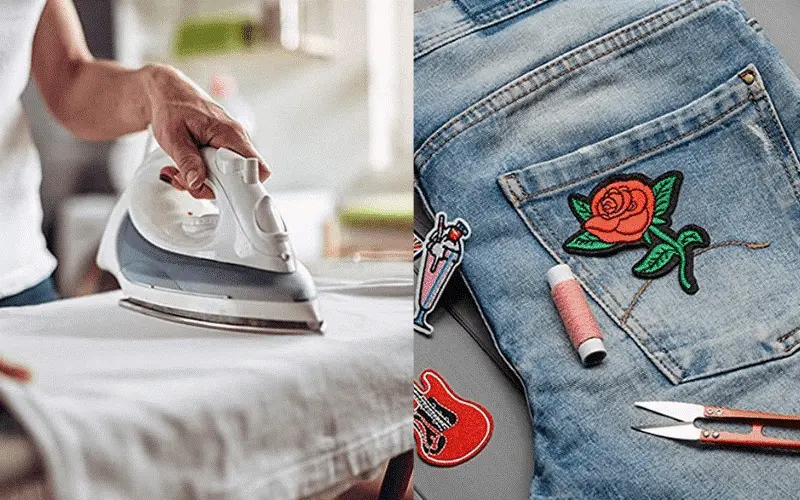
Iron-on patches on fleece require more caution than force. Medium heat with gradual pressure is a much more effective method than applying maximum heat right away.
A piece of cloth must always be used between the iron and the patch, as it prevents the fleece fibers from being damaged by the heat while allowing the patch’s glue to activate.
Pressure must also be firm and controlled in short stages rather than applying aggressive pressure once.
Let the patch cool down completely before touching or folding the garment.
Why Some Patches Start Peeling Early
One of the biggest issues is having patches peel up after just a few uses. This happens because the glue did not stick to the fleece properly.
There was not enough heat applied to activate the adhesive completely, or there was uneven pressure used when applying the patch. The fleece may also be textured so that the patch cannot lie completely flat against it.
One of the other causes is putting a freshly glued patch through the wash right away. Glue takes time to set, which will make it more prone to peeling off.
When Sewing Becomes the Better Choice
In some instances, sewing will be much more effective than iron on patches on fleece.
Custom sew on patch should always be used whenever dealing with thicker patches, clothes used outdoors, or even fleece jackets that are washed heavily regularly.
Sewing helps avoid using any direct heat and can result in a more permanent attachment.
The majority of individuals choose to sew their patches to prevent them from peeling off. Sewing also offers greater effectiveness when dealing with thinner fleece materials that might not withstand high temperatures well.
Despite the extra work involved, sewing always ends up offering better results.
Common Mistakes People Make During Application
Many of these issues occur due to people’s lack of knowledge regarding the behavior of fleece.
One frequent error people make is heating to an extremely high temperature and expecting strong adhesion from the process.
The truth is that too much heat may affect the fleece material even before it can attach itself to the adhesive substance.
Some people make the mistake of attaching patches right on their surface rather than placing a barrier layer between the two materials.
Patches can be attached to damp surfaces, uneven areas, and highly elastic materials where constant motion may lead to poor adhesive strength.
All these errors can be easily avoided if people slow down during the application process.
Benefits of Adding Patches to Fleece Clothing
Patches are not just decorations on fleece garments; they can transform basic clothes into customized, stylish pieces.
No matter what purpose they serve, whether it is branding, styling, or club affiliation, patches provide an extra layer of expression without having to replace the whole item.
Moreover, iron on patches also offer a new look for old fleece clothing by giving people a chance to personalize their clothes uniquely.
- Enhances basic fleece wear.
- Covers small defects on clothes, like small tears and stains.
- Makes uniforms look more presentable.
- Customize clothes without altering their texture.
Caring for Fleece After Applying Patches
The resilience of the patch cannot solely rely on how it is applied. Aftercare is equally important to ensure the longevity of the product.
Fleece clothing with patches is best cleaned by turning the item inside out and washing it in cold or lukewarm temperatures. Drying the fabric at high temperatures may deteriorate adhesive bonds.
Do not tug or pull the patch, particularly when it is still new. This will greatly contribute to its longevity.
Why Patch Type and Fabric Compatibility Matter
It is very common for people to pay attention to just the design of the patch while forgetting about the interaction between the fabric and fleece together. However, it should be considered equally important as the patch design.
A patch looks great on denim, but does not perform the same on fleece. The reason behind this is that fabrics react differently under the influence of heat, pressure, and motion.
The most efficient outcome can be achieved when these aspects complement each other.
FAQs
Can fleece fabric be damaged when patches are placed?
Yes, because too much heat may ruin or flatten the fleece fabric. With medium heat and the use of a protective cloth, this problem can be minimized.
Will patches stick permanently to fleece?
Yes, but this depends on how well the patches are placed, how much heat was used, what type of patch is used, and proper care after that.
Is there a better alternative to heat setting?
Many times, stitching is more effective, especially with heavy patches, and with clothes that are often used.
Are patches removable from fleece fabric?
Yes, but you have to be careful when washing your clothes to protect the adhesive and avoid damaging the fleece fibers.
Where should patches be placed on fleece clothes?
Patches should be placed in even, flat parts of your clothes. These include sleeves, front, and back sides of your clothing.
Conclusion
Applying iron-on patches to fleece is definitely possible if done correctly.
Since fleece is quite soft and heat-sensitive, it is important to be patient and know how fleece behaves when a patch is being applied.
Minor errors, such as applying too much heat or pressing too quickly, can affect durability and cause fleece damage. But when done correctly, applying patches yields flawless, durable results.
Whether you use heat or stitch your patches, make sure that you match the type of patch to the material and the purpose.
A smart strategy ensures that your fleece is protected and lasts longer.

Kendall Smith loves turning creative ideas into real, custom patches. At BespokePatches.co.uk, she shares practical tips and easy-to-follow guides to help anyone design their own embroidery or badges whether it’s for a club, a jacket, or a business. She enjoys exploring different fabrics, stitches, and designs, and is always excited to see the unique ways people use patches to express themselves. When she’s not writing, Kendall can often be found sketching new designs or helping a customer bring a tricky idea to life. Check out her guides and start creating your own patches.